
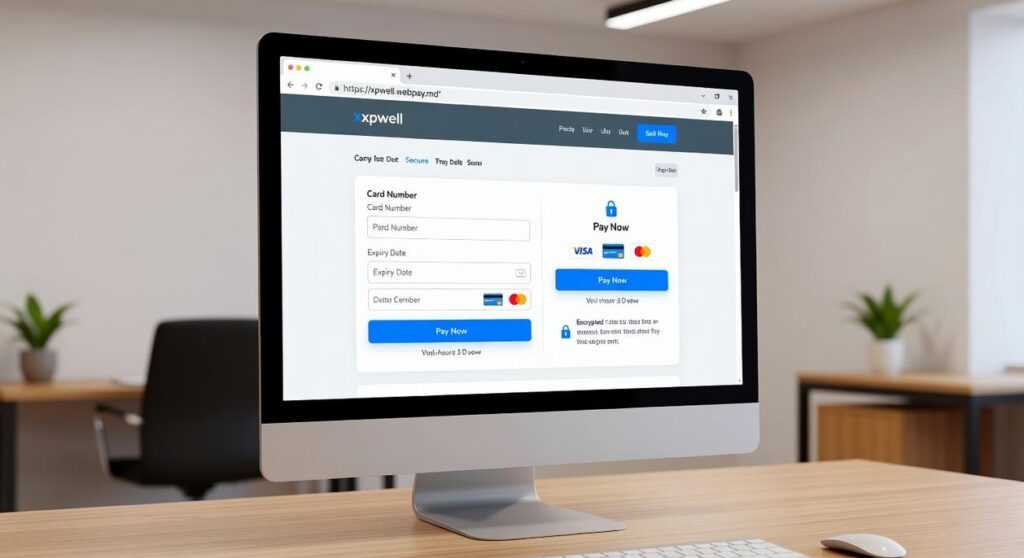
I know you’re here because you need to make a payment through https://xpwell.webpay.md and you’re not quite sure what to expect.
You’re probably wondering if it’s safe. If you’re doing it right. If your payment information is actually protected.
I’ve been there. Using an unfamiliar payment portal for the first time can feel risky.
Here’s what this guide does: it walks you through the entire payment process on the XPWell portal. Step by step. No confusing jargon.
I’ll show you exactly what security measures are protecting your transaction. You’ll see what each screen looks like and what information you need to have ready.
By the time you finish reading, you’ll know how to complete your payment without second-guessing yourself.
We built this walkthrough to answer the questions people actually ask when they’re staring at a payment screen. Not the questions we think they should ask.
You’ll learn what each step means, why it’s asking for certain information, and how to know your payment went through successfully.
Let’s get you through this payment with confidence.
What Are XPWell and WebPay.md?
You’ve probably seen both names pop up during a payment and wondered what the difference is.
Are they the same thing? Two different companies? Should you trust one over the other?
Let me clear this up for you.
The Simple Breakdown
XPWell is the financial technology company that runs the whole operation. They build and manage the backend system that processes online payments for businesses and merchants.
WebPay.md is what you actually see and use. It’s the secure web portal where your payment transaction happens. When you enter your card details or confirm a purchase, you’re using WebPay.md.
Think of it this way. XPWell is the engine doing all the heavy lifting behind the scenes. WebPay.md is the secure dashboard you interact with to complete your purchase.
Now here’s what I recommend.
When you see https://xpwell.webpay.md in your browser during checkout, don’t panic. That’s exactly where you should be. It means the payment gateway is working as designed.
Some people say you should avoid any payment portal that looks unfamiliar. I understand the caution. But in this case, seeing both names together is actually a good sign. It shows the system is routing your transaction through the proper secure channels.
What matters most? Check that the URL starts with “https” and that your browser shows a lock icon. Those tell you the connection is encrypted.
The relationship between XPWell and WebPay.md isn’t complicated once you know what each one does. One powers the system. The other is where you use it. (Kind of like how you don’t see all the plumbing when you turn on a faucet.)
A Deep Dive into WebPay.md’s Security Features
You want to know if your payment information is actually safe.
I don’t blame you. Every week there’s another story about data breaches or stolen credit cards. It makes you wonder if buying anything online is worth the risk.
Some people say all payment platforms are basically the same when it comes to security. They’ll tell you not to worry because “everyone uses the same encryption anyway.”
But that’s not true.
Not all payment systems are built the same. And knowing what protections are actually in place? That matters when you’re deciding where to shop (even for something as simple as luxurious pet beds enhancing comfort and well being for your furry friend).
Let me walk you through what’s really protecting your information on https //xpwell.webpay.md.
SSL/TLS Encryption (HTTPS)
See that little padlock icon in your browser?
That’s your first sign that your data is protected. When you enter payment information, SSL/TLS encryption scrambles everything you send. Your card number, your billing address, all of it.
Anyone trying to intercept that data just sees gibberish. They can’t read it. They can’t use it.
PCI DSS Compliance
This sounds technical but it’s simple.
PCI DSS means the platform follows strict rules set by Visa, Mastercard, and other major card companies. These aren’t suggestions. They’re requirements for handling credit card data safely.
If a platform isn’t PCI DSS compliant? Don’t use it.
Advanced Fraud Detection
Here’s what I recommend paying attention to.
Modern systems watch every transaction in real time. They’re looking for patterns that don’t make sense. A purchase from two different countries in ten minutes. An unusually large order from a new account.
When something looks off, the system flags it BEFORE the payment goes through. That protects you and the merchant.
Data Privacy and Tokenization
This is the part most people don’t know about.
Your actual card number doesn’t stick around after you buy something. Instead, the system creates a unique token that represents your card. That token is useless to anyone who might steal it later.
Your real card details? They’re not sitting in some database waiting to be hacked.
My advice is straightforward. Before you enter payment information anywhere, check for these four things. If they’re not there, shop somewhere else.
How to Make a Payment on WebPay.md: A Step-by-Step Guide
Look, I know online payments can feel sketchy sometimes.
You’re staring at a payment page wondering if you’re about to hand your card details to the right place or if you just clicked a phishing link.
I’ve been there. That moment of hesitation before you hit submit.
But here’s what you get when you know exactly how WebPay.md works. You save time. You avoid mistakes that could delay your payment. And you actually feel confident instead of anxious every time you need to pay an invoice.
Let me walk you through it.
Step 1: Access the Payment Page
You won’t just stumble onto WebPay.md by accident. The merchant you’re paying sends you a unique link, usually in an email or invoice. That link takes you straight to your payment page at https://xpwell.webpay.md.
Don’t try to find it on your own. Always use the link they send you.
Step 2: Enter Invoice and Payment Details
You’ll see fields for your invoice number, customer ID, and the payment amount. These should match what’s on your invoice exactly.
Double check them. I mean it. A wrong digit means your payment goes nowhere and you’re stuck following up later.
Step 3: Provide Your Card Information
Now you enter your card number, expiration date, and that three digit CVV code on the back. The page uses encryption (you should see a padlock icon in your browser).
Type carefully. One wrong number and you’ll have to start over.
Step 4: Complete Two-Factor Authentication
Your bank might ask for extra verification. Could be a text message with a code. Could be an approval in your banking app.
This is actually good news. It means an extra layer protecting your money.
Step 5: Confirmation and Receipt
When it goes through, you’ll see a confirmation page with your transaction details. Screenshot it or save the PDF receipt they offer.
You’ll want that if anything goes wrong later.
That’s it. Five steps and you’re done paying without the guesswork.
Troubleshooting Common Payment Issues on WebPay.md
Payment problems are frustrating. I know that.
You’re trying to buy something for your pet and the transaction just won’t go through. According to a 2023 study by Baymard Institute, about 17% of online shoppers abandon their carts because of payment failures.
That’s a lot of people hitting walls.
Let me walk you through the most common issues and how to fix them.
Payment Declined
This happens more than you’d think. Your card gets rejected even though you know there’s money in your account.
Here’s what’s usually going on. You might have insufficient funds (it happens to all of us). Or you typed your card details wrong. Sometimes it’s just one digit off.
But here’s the kicker. Your bank might be blocking the transaction because their security system flagged it as suspicious. Banks reject roughly 15% of legitimate online purchases this way, based on data from Visa’s 2022 consumer payment report.
Double check your card number and expiration date. If everything looks right, call your bank. They can tell you what’s actually happening.
Website Error or Page Won’t Load
When https://xpwell.webpay.md won’t load, start with the basics.
Check your internet connection first. Sounds simple but you’d be surprised how often that’s the culprit.
If you’re connected, clear your browser cache. Old data gets stuck and messes with how pages load. Still not working? Try a different browser. Chrome might fail where Firefox works fine.
No Confirmation Received
You completed the payment but got no email. Now you’re wondering if it even went through.
Check your spam folder first. Email filters send about 20% of legitimate transaction emails to junk folders according to Return Path’s 2023 deliverability benchmark.
Not there either? Contact the business directly. They can confirm whether your payment processed on their end.
Completing Your XPWell Payment with Confidence
You came here worried about using an unfamiliar payment website.
I get it. Entering your payment information on https://xpwell.webpay.md probably felt risky at first.
But now you know the facts. The portal uses bank-level encryption and verified security protocols. Your information stays protected through every step of the transaction.
The process is straightforward. You follow the prompts, enter your details, and confirm your payment. Nothing complicated or hidden.
You have what you need to move forward safely.
Here’s what to do next: Go ahead and complete your transaction. The system is secure and verified. Your payment will process correctly and your information stays safe.
You don’t need to second-guess this anymore. The security measures are in place and working for you.