
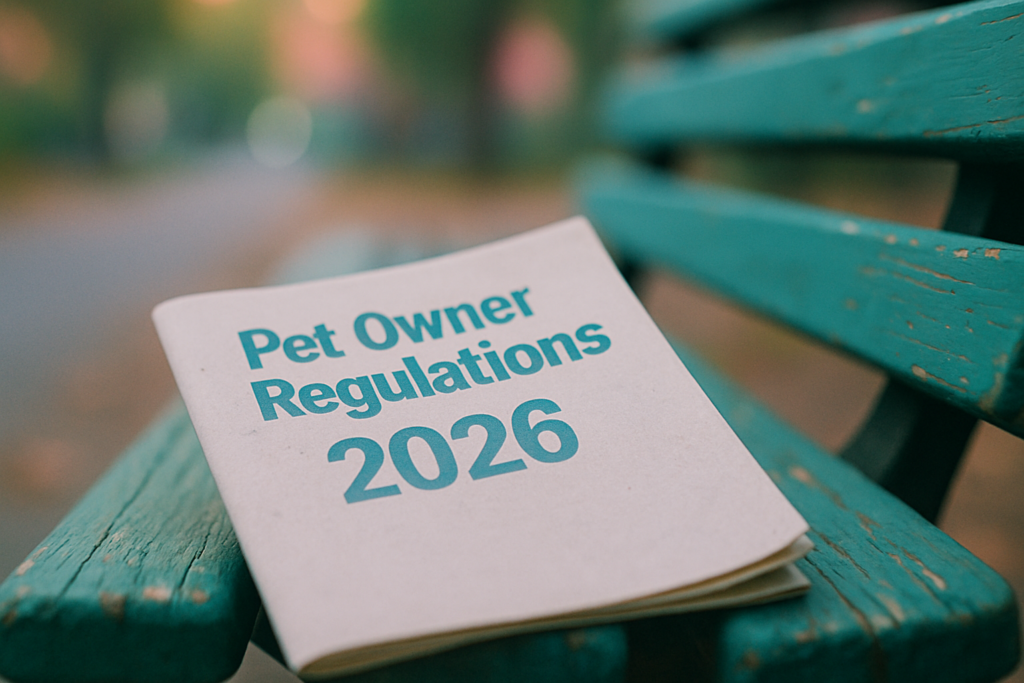
What’s Changing in Pet Ownership Laws
The 2026 pet legislation package is shaping up to be one of the most comprehensive updates we’ve seen in over a decade. Spearheaded by a mix of federal and state level proposals, the goal is to tighten the rules on who can own, breed, and care for pets and how well they do it.
Registration will likely become a standard requirement for most pet owners, not just breeders. This means mandatory microchipping, updated ID protocols, and a digital tracking system intended to reduce abandonment and improve response during health outbreaks.
Breeding regulations are also getting tougher. Backyard litters won’t fly under the radar anymore. Expect stricter requirements for breeder licenses, facility inspections, and limits on how many litters a breeder can produce annually. The push here is focused on animal welfare, rooting out puppy mills, and holding sellers accountable.
Then there’s health. Pet health standards are being raised across the board, with talks of required annual vet exams, vaccination compliance logs, and penalties for repeated neglect. The short version: owning a pet is inching closer to a regulated responsibility, not just a personal choice.
These changes aren’t coming out of nowhere. Updates to pet law used to take years to pass, but a spike in pet adoptions, online sales, and welfare concerns has sped up the timeline. Lawmakers and the public aren’t waiting around anymore. The pace is picking up because the gaps are too visible to ignore.
What It Means for Everyday Pet Owners
As 2026 approaches, pet owners should prepare for a noticeable shift in how they care for and track their animals. New regulations aim to ensure better welfare standards this comes with added responsibilities for everyday pet parents.
Increased Personal Accountability
Updated laws are pushing for greater accountability from pet owners, emphasizing long term commitment and daily care. Expect clearer expectations and more consequences for non compliance.
Stricter definition of responsible ownership
Routine monitoring of pet living conditions
More education around pet care requirements
Routine Veterinary Checks May Become Law
Health based regulations are likely to make annual or even bi annual vet visits a legal necessity.
Preventative care will be legally prioritized
Missed vet visits could result in fines in some areas
Veterinary documentation may be required to maintain licenses or permits
Microchipping and ID Tracking: No Longer Optional
Microchipping has long been encouraged, but in many jurisdictions, it could soon become mandatory.
Required for all newly adopted pets
Centralized databases for easier tracking and reclaiming of lost animals
Failure to comply may impact your ability to adopt or register pets
Stricter Licensing for Exotic and Non Traditional Pets
If you own or are considering an exotic or uncommon pet, expect more paperwork and possibly restrictions.
Additional licenses or permits required
Owners may need to log dietary or environmental needs for exotic species
Surprise inspections or wellness checks may increase
These changes aim to improve animal welfare, but staying ahead of the curve will be essential. Pet owners who plan now can avoid fines later and ensure their animals remain safe, healthy, and fully compliant.
Financial Impacts You Should Plan For

New legislation always comes with a price tag. For pet owners, that might mean higher costs across the board some predictable, some not.
Expect routine care to get more expensive. Mandatory microchipping, added licensing fees, and more frequent vet checkups could push annual pet care budgets up by $200 $500, depending on the type of pet and where you live. Exotic or non traditional animals? Likely even more, as stricter requirements roll in.
Compliance will also mean upfront costs. New health certificates, ID registrations, and potentially mandated training or certification for ownership in specialized categories (like working dogs or rescue fosters) are being floated. Some states are already piloting annual compliance audits for breeders and sellers pet owners may see downstream costs from those increased regulations, too.
So what can you do? Start planning early. Add a buffer to your pet care budget at least 10 15% more than you’re used to. Stay in the loop on regional regs, and take any available subsidies or incentives for compliance when they appear. Know what’s coming, and you’ll avoid scrambling to cover surprise costs.
Breeders, Rescuers and Pet Sellers: More Oversight Ahead
In 2026, breeding facilities, adoption centers, and pet sellers will face a new level of scrutiny. The old system where inspections were sporadic and standards varied wildly is being torn down. In its place: tighter rules, mandatory certifications, and routine inspections that go well beyond a clipboard checklist.
Operators will need to show they’re doing things by the book. That includes updated documentation on animal welfare, facility cleanliness, recordkeeping, and breeding disclosures. Rescue shelters won’t be exempt either. They’ll now need to prove compliance with vaccination, vet care, and post adoption support.
At the core of these changes is one principle: transparency. Pet buyers and adopters are demanding to know where animals come from and how they’re treated. Lawmakers are listening. For those who sell, breed, or rehome animals, staying compliant won’t be optional it’ll be the baseline cost of staying in business.
For more on how the updated legislation impacts breeders and rescue organizations, visit pet legislation impact.
How to Stay Ahead and Informed
Pet laws change fast, and as a responsible pet owner, you need to keep up. The good news is, staying informed doesn’t have to be complicated. Start by bookmarking a few trusted sources: your state’s Department of Agriculture website, local animal control offices, and national organizations like the AVMA (American Veterinary Medical Association). These places tend to post updates before they hit the mainstream press.
It’s also smart to divide your attention between local and federal levels. Local ordinances think leash laws or exotic pet bans impact you daily. But federal laws, especially around breeding or animal transport, influence the big picture. If you only check one, you’re missing half the puzzle.
Once you know what’s on the horizon, take small steps. Register your pet properly. If your state requires microchipping or updated tags, get it done. For breeders or rescuers, make sure you’re up to speed on required inspections or certifications. If something seems unfair or unclear, speak up. Join advocacy groups or reach out to local reps. Your voice really can shape policy.
Want a deeper breakdown? Read more here: pet legislation impact.