
You’re holding a kitten right now.
Tiny. Warm. Trembling a little.
And your brain is screaming: What do I actually do first?
Not what some blog says. Not what your aunt thinks. What works.
Right now, in your messy apartment, with your weird schedule and zero cat experience?
I’ve seen this moment hundreds of times.
Not in textbooks. In real homes. With tired people, spilled formula, and litter boxes that somehow ended up in the bathtub.
This Infoguide for Kittens Llblogpet isn’t theory.
It’s what you need today: feeding schedules that don’t require a lab degree, litter training that starts before day three, how to spot real trouble (not just cute sneezes), and how to bond without stressing either of you out.
I’ve assessed, placed, and supported over 3,000 kittens in their first eight weeks.
Every tip here is ranked by urgency. Backed by vets. Tested in chaos.
No fluff. No jargon. No “just wait and see.”
You’ll know exactly what to do (and) why it matters.
Let’s get started.
First 24 Hours: Warmth, Quiet, and Zero Drama
I brought home a three-week-old kitten last spring. Her paws were barely bigger than my thumbnail. She shivered the second I opened the carrier.
That’s when I learned temperature control is non-negotiable.
Keep the room between 75. 80°F. Not “feels warm.” Not “my hand says okay.” Use a thermometer. I taped one to the wall beside her box.
(Yes, really.)
Here’s what you need before she crosses your threshold:
- Soft bedding (no loose threads)
- A shallow dish (not a bowl (she’ll) crawl in)
- Unscented clumping litter (scented stuff burns their nose)
- A kitten-safe carrier (cardboard won’t cut it)
- A room-temperature bottle (only if under 4 weeks)
Put her in one quiet room. No guests. No dogs.
No kids hovering. Place food and water on one side, litter on the other, and bedding far away from both.
They squeeze too hard. Their ribs are still cartilage.
Cow’s milk? It gives kittens diarrhea (fast.) Over-bathing dries out their skin and drops their body temp. Unsupervised kids?
Before Bed Tonight. Do These 3 Things:
- Check the thermometer again
2.
Refill water (kittens dehydrate in hours)
- Sit slowly nearby so she hears your breath, not your voice
The Pet Advice Llblogpet has a solid checklist. I used it. Saved me two panic calls at 2 a.m.
Infoguide for Kittens Llblogpet is fine (but) skip the fluff. Just do these things. Right now.
Feeding & Hydration: What Kittens Actually Need
I’ve watched too many kittens get fed wrong. Not from malice. From confusion.
- 2 weeks? Bottle every 2 (3) hours. No exceptions.
Their stomachs are the size of walnuts. Skip a feed, and blood sugar drops fast. (Yes, I’ve held a shaking kitten at 3 a.m.)
At 3 (4) weeks, you introduce gruel. Not “baby food.” Not human cereal. KMR + warm water + a pinch of high-protein wet food (mixed) to oatmeal consistency. I use Royal Canin Babycat Milk.
It’s not fancy. It’s tested. And it works.
- 8 weeks? Swap to wet food + fresh water in a shallow bowl. I leave it out all day.
They learn by licking, stepping in it, and staring at it like it’s alien tech.
9+ weeks? Drop the bottle. Switch fully to kitten formula diet.
Hill’s Science Diet Kitten or Purina Pro Plan Kitten. Why? Protein must be 35%+, fat 20%+. “Natural” labels mean nothing if the ratios are off.
Dehydration kills faster than hunger. Do the skin tent test: gently lift the scruff. If it stays up for 2 seconds?
Get to a vet now. Dry gums? Same thing.
A heaping teaspoon of gruel = one feeding for a 3-week-old. Not “a little.” Not “as needed.”
They cannot self-regulate. Overfeeding causes pancreatitis. Yes, in kittens (and) obesity by 6 months.
I’ve seen it.
The Infoguide for kittens llblogpet 2 lays this out cleanly. But reading won’t save them. Doing it right will.
Litter Training: Stop the Blame Game
Punishment doesn’t fix accidents. It breaks trust.
Kittens don’t think “I peed here, so I’ll get yelled at.” They think “I peed here, and now this person is scary.”
I’ve done it. Felt stupid afterward.
That’s why yelling, rubbing their nose in it, or shoving them into the box makes everything worse.
Here’s what actually works:
Clean with enzymatic cleaner. Not vinegar, not bleach. I use Nature’s Miracle or Rocco & Roxie.
Full stop.
Block access to the spot for 72 hours. Tape off the corner. Move a chair there.
Whatever it takes.
Put a litter box right next to where they messed up. Then, over 5 days, inch it two inches closer to your preferred spot each day.
For those interested in expanding their pet knowledge, our Infoguide for Birds Llblogpet offers valuable insights into avian care.
Many new pet owners find it helpful to refer to the Infoguide for Kittens Llblogpet for essential tips and advice.
For those also caring for birds, the Infoguide for Birds Llblogpet offers essential tips and resources.
For those also interested in avian care, the Infoguide for Birds Llblogpet offers valuable insights and tips.
For those also considering avian companions, the Infoguide for Birds Llblogpet offers essential insights and tips for bird care.
For those interested in expanding their pet knowledge, the Infoguide for Birds Llblogpet offers valuable insights into caring for feathered friends.
For those interested in caring for different pets, the Infoguide for Birds Llblogpet offers valuable insights and tips.
For pet owners looking to expand their knowledge, the Infoguide for Birds Llblogpet is a valuable resource alongside the kitten guide.
To help you navigate the essentials of kitten care, we recommend checking out the Infoguide for Kittens Llblogpet.
Watch for the signs: sniffing, circling, tail flicking. That’s your cue. Not after they squat.
Litter boxes need low sides. No lids. One per floor plus one extra.
Scoop twice daily (not) “when it looks bad.”
Diarrhea? Watery, urgent, maybe streaked with blood. Call the vet that day.
Constipation? Straining, dry pellets, no output for 48 hours. Also call.
The Infoguide for Kittens Llblogpet covers this exact timeline.
You’ll find the same urgency in the Infoguide for birds llblogpet. Because timing matters for all small pets.
Start today. Not tomorrow.
Health Checks: What Can’t Wait
I take my cat to the vet at 6 weeks. Not 7. Not “whenever.” At 6 weeks.
That first visit covers vaccines, deworming, and a fecal test. Skip it, and you’re rolling dice with parasites.
By 4 months, we talk spay or neuter. Not debate it. Talk.
At 12 weeks? Boosters. No exceptions.
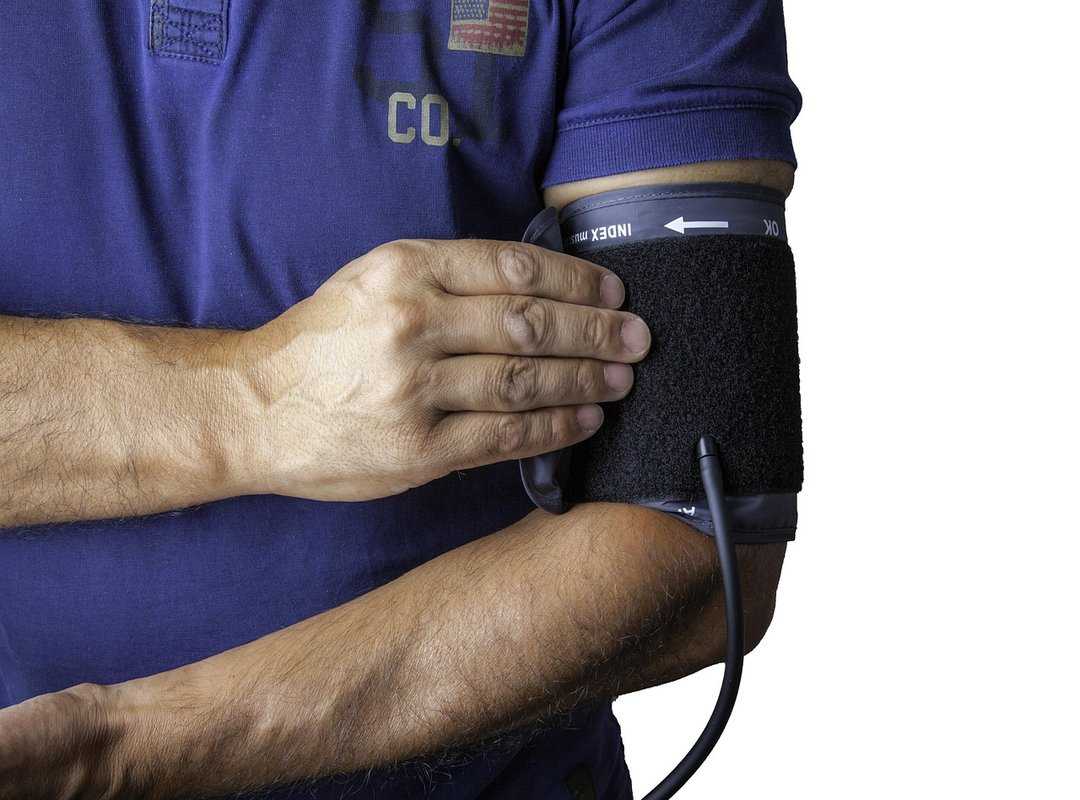
You don’t need a degree to check your kitten daily. I do it in under a minute: eyes (clear), ears (no stink), gums (pink), coat (no flakes), stool (firm, brown, no blood).
If you see lethargy + no food for 12 hours? Go now. Labored breathing?
Now. Seizures? Now.
Vomiting twice in one day? Now. Rectal temp under 99°F or over 103°F?
Now. Can’t pee? Now.
Sudden collapse? Now.
FVRCP is non-negotiable. FeLV? Only if your cat goes outside or meets other cats. “Complete” vaccine alternatives?
They don’t work. Period.
The Infoguide for Kittens Llblogpet lays this out cleanly. No fluff, no fearmongering.
Here’s what I bring every time:
| Vaccination records | Stool sample (fresh) |
| List of questions | Current food & treats |
Bonding & Play: When Kittens Test Your Patience (and
I’ve watched kittens go from zero to chaos in under 90 seconds. It’s not cute when they latch onto your thumb. It’s biology.
For more tips on raising your new feline friend, check out the comprehensive Infoguide for Kittens Llblogpet.
For more helpful tips on pet care, check out Llblogpet Advice for Dogs by Lovelolablog.
For more tips on pet care, check out Llblogpet Advice for Dogs by Lovelolablog.
For more pet care tips, check out Llblogpet Advice for Dogs by Lovelolablog.
For more pet care tips, check out Llblogpet Advice for Dogs by Lovelolablog.
They learn boundaries through play biting. Not aggression. Practice.
But if you let teeth break skin even once, they’ll think it’s allowed. (Spoiler: it’s not.)
I covered this topic over in Llblogpet Advice for.
Use wand toys. Never hands. Not even for “just one second.” I’ve seen too many people say that and end up with claw marks on their forearm.
Play sessions should last 5. 10 minutes. Three times a day. Minimum.
End each one with a treat or a quiet nap. Never stop mid-frenzy.
Clicker training works. So does saying “yes!” (but) only if you hit the mark within 1.5 seconds. Too late?
You’re rewarding the wrong thing. Like tail swishing. Or ear flattening.
Speaking of ears: flattened = stop now. Tail swishing = stop now. Freezing = stop now and back off.
Give them space. No forcing. No “just one more pet.”
By Week 3, they’ll sleep touching your hand. By Week 6, they’ll greet you at the door. By Week 12, they’ll follow you room to room like a tiny shadow.
Most kittens prefer food over petting. Try it. See what they choose.
This isn’t about control. It’s about consistency. And reading their signals before they scream them.
Start Today With Just One Action
I’ve been there. Staring at a tiny kitten, heart pounding, wondering if I’m doing anything right.
You don’t need to master everything tonight. You just need to do Infoguide for Kittens Llblogpet’s top tip. one thing. Before bed.
Feeding? Health check? Litter setup?
Pick the one that’s bugging you most.
Do it. Write down what happens tomorrow. That’s it.
Overwhelm dies when you stop waiting for perfect and start trusting your next small move.
Your kitten isn’t waiting for you to be perfect (they’re) waiting for you to begin.
So go. Choose one section. Do the top tip.
Tonight.
That’s how confidence starts. Not with a checklist. With a single yes.