
You just got home with your new cat.
And now you’re staring at fifteen browser tabs open.
One says “cats need grain-free food.” Another says “grain-free is a scam.” A third tells you to brush daily. A fourth says “they hate it (don’t) bother.”
You’re not lazy. You’re not clueless. You’re just tired of being told what to do by people who’ve never cleaned up cat vomit at 3 a.m.
This isn’t another vague list of “top 10 tips” written by someone who’s never held a litter scoop.
This is the Infoguide for Cats Llblogpet.
I’ve watched cats for years (not) in labs, but in real homes. With real owners. Real messes.
Real schedules.
What works isn’t always what’s trending. It’s what matches what your cat actually does (not) what we assume they should.
No jargon. No guilt trips. No $80 toys that collect dust.
You want clarity. Consistency. Confidence.
Not perfection. Not expensive gear.
I’ll show you how to read your cat’s cues. How to spot real problems early. How to build routines that stick.
Without burning out.
You’ll walk away knowing exactly what matters. And what you can ignore.
Cats Aren’t Low-Maintenance. They’re Low-Communication
I used to think my cat was fine because she ate, used the litter box, and napped in sunbeams.
She wasn’t fine. She was stressed. And I didn’t know it.
Cats have five non-negotiable needs: hydration, movement, mental stimulation, safe territory, and predictable routine.
Dry food alone fails hydration (every) time. Cats evolved to get water from prey, not kibble. Their thirst drive is weak.
So if you feed only dry, they’re chronically dehydrated. That’s why urinary issues are so common.
Add moisture safely: use a water fountain (they love moving water), mix warm water into wet food, or try 70/30 wet-to-dry ratios.
Vertical space matters more than toys. A cat up high sees threats before they arrive. It’s security, not decor.
Scent security matters too. Rubbing on furniture? That’s her marking safety.
Don’t wipe it all away with citrus sprays.
You think your cat doesn’t need playtime? Wrong. Ten minutes of real chase (not) dangling strings.
Predictable routine cuts stress more than treats ever will.
Resets their nervous system.
Three signs your cat’s core needs are met:
- She sleeps deeply in open positions (not curled tight)
- She uses scratching posts and window perches
3.
She greets you without hiding or over-grooming
The Pet Advice Llblogpet breaks down how to spot subtle stress cues early.
Infoguide for Cats Llblogpet isn’t fluff. It’s what I wish I’d read before my first vet bill.
The 10-Minute Fix: Real Cat Routines That Actually Work
I do this every day. Not because it’s cute. Because it stops problems before they start.
2 minutes of interactive play. Wand toy only. No hands.
I move it like real prey. Dart, pause, hide. If your cat ignores it?
Try earlier in the day. Or switch to a crinkle ball on the floor (some cats hate overhead motion).
3 minutes of brushing. I use a rubber curry brush (not) the fancy ones. It works.
If they duck away? Stop. Try just one leg.
Build up. Brushing isn’t optional (it’s) Infoguide for Cats Llblogpet territory. Skip it, and you’ll get hairballs and stress grooming.
3 minutes of quiet bonding. I sit. No petting.
Just presence. Sometimes I read. They decide if they want lap time.
This isn’t about affection. It’s about safety signaling.
I covered this topic over in this page.
2 minutes for litter box check + refresh. Scoop. Wipe the rim.
Add fresh clay. Done. Inconsistent cleaning?
Cats aren’t wired for noon meetings. Morning and evening sessions match their natural peaks. Dawn and dusk.
That’s the #1 reason for inappropriate elimination. Full stop.
So yes, set alarms.
Food aggression? Feed after play. Not before.
Their brain shifts from hunt mode to eat mode. Works every time.
Restless at night? Your routine is too light. Add 60 seconds of extra play before bed.
Not more. Just enough.
Consistency beats duration. Every time.
You’re not training a robot. You’re building trust. One minute at a time.
And no, 10 minutes won’t fix everything. But it fixes most of what people blame on “bad behavior.”
Cat Body Language: What Your Cat Won’t Tell You Out Loud
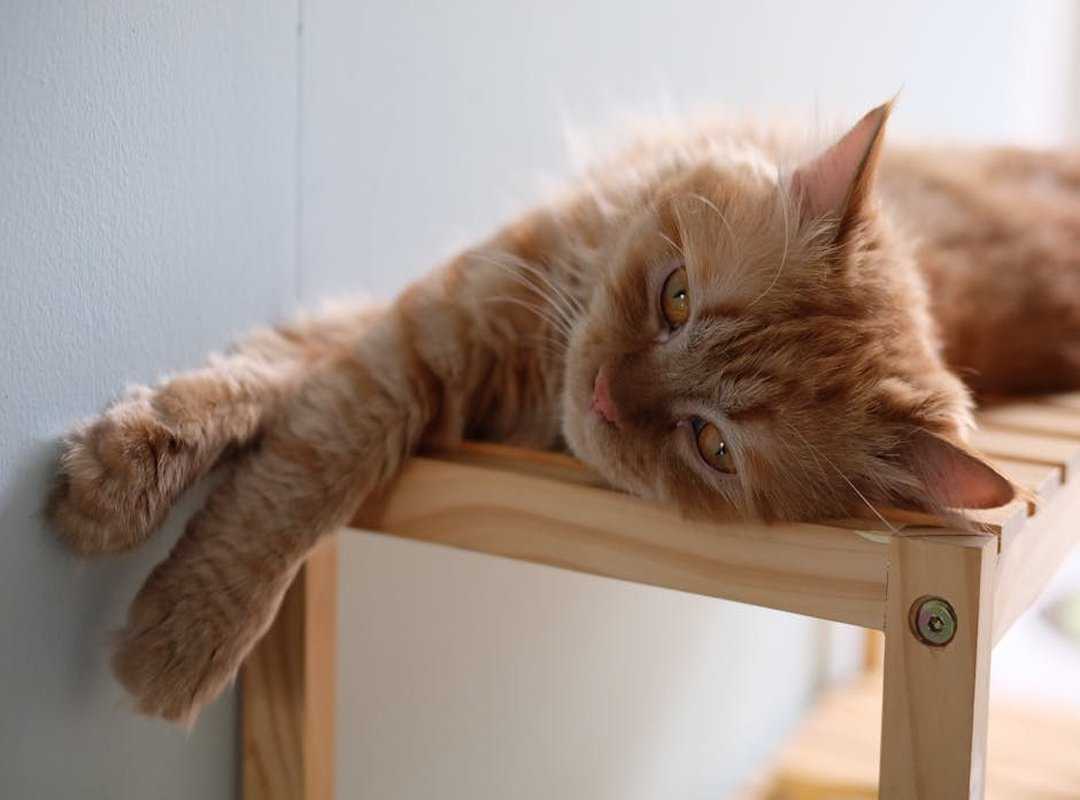
I misread my cat’s tail flick for three years. Thought she was annoyed. She was in pain.
For pet owners looking to expand their knowledge, the Infoguide also includes Llblogpet Advice for Fish to help care for aquatic friends.
For pet owners looking to expand their knowledge, the guide also offers Llblogpet Advice for Fish to ensure a well-rounded understanding of all pets.
For those also considering aquatic pets, the guide offers valuable tips, including Llblogpet Advice for Fish.
For cat owners seeking additional pet care tips, exploring Llblogpet Advice for Fish can provide useful insights for managing other pets as well.
For cat owners looking to diversify their pet care knowledge, resources like Llblogpet Advice for Fish can be incredibly helpful.
For those looking to diversify their pet care knowledge, check out Llblogpet Advice for Fish for helpful tips and insights.
For pet owners looking to expand their knowledge, the Infoguide also includes valuable resources like Llblogpet Advice for Fish.
For pet owners looking to expand their knowledge, Llblogpet Advice for Fish offers valuable tips on caring for aquatic pets.
Slow blink? That’s trust. Not boredom.
Not sleepiness. Trust. If you see it, blink back.
It’s the only apology cats accept.
Wide-eyed stare? Not curiosity. Usually fear or overstimulation.
Especially if her pupils are blown wide open.
A quivering tail tip while standing still? That’s excitement. Pure joy.
But a low, rapid flick while you’re petting her? Stop. Right now.
Flattened ears with forward-pointing whiskers? That’s not relaxed confusion. That’s stress building.
She’s torn between fight and flight.
Half-closed eyes plus loose belly exposure? That’s deep safety. Rare.
Earned.
Paw kneading isn’t just kitten behavior. It’s comfort-seeking. Or marking.
Or both. I don’t know which. And neither does science.
Hiding isn’t “being dramatic.” It’s often the first sign of illness. Kidney issues. Dental pain.
Arthritis. All masked as “grumpiness.”
Vocalization tone matters more than word count. A low growl during handling? Pain.
A high-pitched yowl at 3 a.m.? Confusion or cognitive decline.
Context flips meaning. A stiff tail while eating means focus. The same tail while being brushed means stop.
You can’t read one signal in isolation. Ever.
That’s why I rely on the Infoguide for Cats Llblogpet. It cross-references signals with real-life scenarios (like how fish tank stress mirrors feline anxiety, which is why Llblogpet Advice for Fish actually helped me spot early signs in my own cat).
I’m not sure what every twitch means. And that’s okay.
But I am sure about this: if your cat hides more, blinks less, or stops purring when touched. Don’t wait. See a vet.
I wrote more about this in Infoguide for Birds Llblogpet.
When to Call the Vet: 7 Quiet Signs Your Cat Is Hurting
I watch cats for a living. Not in a lab. In homes.
And I’ll tell you straight (they) lie to you.
They hide pain like it’s their job. Which, honestly, it is.
Here’s what I see most often:
- Grooming gets less intense (not) less frequent. You notice duller fur, not fewer sessions.
- They hesitate before jumping onto the couch. Same couch. Same jump. Just… pause.
- Drinking pattern shifts. Maybe shorter sips, or longer pauses between laps. Volume stays flat.
- Weight loss under 5%. But you can see ribs or spine now. No scale needed.
- Napping in new spots. Sunbeams on the floor instead of the windowsill.
- Less window watching. That bird feeder? Suddenly boring.
- Litter box posture changes. More crouching, less stretching.
Kidney disease, dental pain, and hyperthyroidism all start silently. Catch them early? Big difference in treatment options.
For pet owners interested in avian care, the Infoguide for Birds Llblogpet is an excellent resource to complement the information provided here.
For more information on caring for different pets, check out the Infoguide for Birds Llblogpet.
For those interested in avian care, the Infoguide for Birds Llblogpet offers valuable insights and tips.
For more detailed advice on feline care, check out the Infoguide for Cats Llblogpet.
Big difference in quality of life.
Same-day vet visit: lethargy + any one of those signs. Or trouble urinating. Or no appetite for 24 hours.
Next-business-day: one or two mild changes (but) only if nothing else is off.
If you’ve noticed two or more of these in the past 2 weeks, schedule a vet visit. Not a wait-and-see.
The subtle shift matters more than the obvious crisis.
You already know something’s off. Trust that.
Infoguide for Cats Llblogpet has the full symptom tracker I use with clients.
One Change Is Enough
I’ve seen what happens when cat owners try to fix everything at once. Stress spikes. Routines collapse.
Cats get confused.
Confident cat care isn’t about control. It’s about seeing your cat (really) seeing them.
You don’t need a full overhaul. Just one thing. Add water to their meals today.
Watch their tail for 60 seconds. Pick one section from the Infoguide for Cats Llblogpet and do its core action before midnight.
That’s it.
No perfection required. No checklist marathon. Just presence.
Just attention.
Your cat doesn’t need perfect care. They need present, attentive care.
You’ve already taken the first step.
Now go pick that one thing. Do it. Then tell me how it felt.