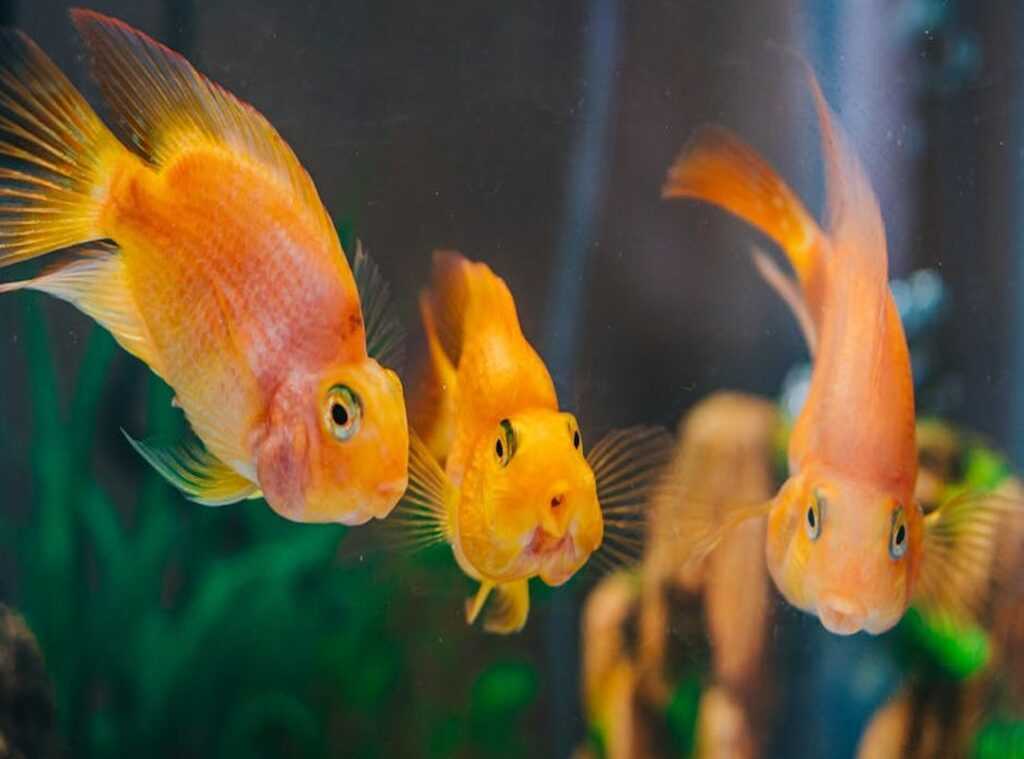
That betta staring at you through the glass? He’s not posing. He’s stressed.
You just noticed the water’s cloudy. Or the shrimp are hiding. Or the snail hasn’t moved in two days.
This isn’t normal. And it’s not your fault.
Most pet care advice online is recycled, vague, or written by people who’ve never cleaned a filter in their life.
I’ve seen what happens when keepers follow that stuff. White spot outbreaks. pH crashes. Dead frogs in brand-new tanks.
That’s why this isn’t generic advice.
This is Llblogpet Advice for Fish. Tested, vetted, and pulled from real disease reports, decades of aquarium science, and hundreds of keeper mistakes (and wins).
You want to keep fish, frogs, shrimp, and snails alive. Not guess. Not Google frantically at 2 a.m.
So here’s what you’ll get: clear steps. No fluff. No jargon.
Just what works.
And why it works.
Water Quality Isn’t Optional (It’s) Oxygen
I test water every morning. Before coffee. Before checking email.
Because ammonia doesn’t wait for your schedule.
Ammonia, nitrite, nitrate (that’s) the key trio. Ammonia at 0.25 ppm starts damaging gills in under 24 hours. Nitrite at 1 ppm blocks oxygen transport in blood.
Nitrate above 40 ppm stresses immune systems long-term. These aren’t suggestions. They’re thresholds.
You’re probably testing wrong right now. Test before feeding. Tap water skews results.
Don’t rinse test tubes with it. And stop squinting at color charts in dim light. Hold them next to natural window light.
If you’re unsure, retest.
A 25% weekly water change isn’t hard. But it is precise. Use dechlorinator: 1 drop per gallon.
No guessing. Match new water temperature within 2°F. Use a thermometer, not your hand.
Vacuum gravel just deep enough to pull debris, not stir up mulm from the bottom layer.
Bottled bacteria? Skip it. Studies show colony viability drops 60 (90%) by expiration (Aquarium Sciences, 2022).
You’re not saving time. You’re risking crashes.
Patience isn’t virtue here. It’s non-negotiable.
this post covers this exact cycle timeline. With real tank logs.
Llblogpet Advice for Fish assumes you already know your filter is running. It doesn’t assume you know what “running” actually means.
So check your test kit’s expiration date. Right now. Then throw out the old one if it’s past the stamp.
Seriously. Do it.
Habitat Needs: What Your Fish Actually Require
Dwarf shrimp thrive in 5 gallons. Kuhli loaches need 20—minimum (and) only then if you keep six or more. I’ve watched them pace bare-bottom tanks like prison inmates.
Don’t pretend a trio in a 10-gallon is fine.
Surface area matters more than volume for bettas and gouramis. They breathe air. A tall, narrow 10-gallon holds the same water as a shallow 20-gallon (but) the shallow one gives them room to reach the surface without stress.
Leave at least 2 inches of air gap. Water movement should be gentle. A strong filter current makes them gasp at the top all day.
Not cute. Exhausting.
Corydoras hate sharp gravel. Their barbels shred on jagged edges. Use sand.
Or smooth, rounded substrate. Period.
Copper kills shrimp and snails. Some substrates leach it slowly. If your cherry shrimp drop dead after a substrate change?
That’s why.
Aquatic frogs hide. They need dim lighting and floating plants. I use low-light java fern and moss balls.
Not because they’re trendy, but because my African dwarf frogs vanish for hours and reappear only when it’s quiet.
Live coral microfauna tanks? Different story. Full-spectrum LEDs, 8 (10) hours daily.
Not optional. Microfauna starve under weak light.
You’re not just filling a tank. You’re building a life-support system.
Llblogpet advice for fish 2 starts here. Not with decor, but with oxygen, space, and safety.
Feeding Right: What I Got Wrong (and You Might Too)
I overfed my tank for six months.
No joke.
That “just one more flake” habit spiked ammonia. Then algae took over like it owned the place.
Feed only what vanishes in two minutes. Twice a day. Not three.
Not once. Two minutes. Set a timer.
I stopped guessing. My fish stopped gasping at the surface.
Baby brine shrimp? Gold for fry and bettas. Daphnia?
Great for goldfish (but) skip it for sensitive shrimp. Blackworms? Yes for cichlids.
No for juveniles (they) choke.
Bloodworms? I banned them from my shrimp tanks after two molts went sideways.
Commercial pellets? Read the back. Wheat gluten?
When choosing the right fish for your aquarium, it’s essential to consult Pet Advice Llblogpet for expert recommendations and tips.
When choosing the right fish for your aquarium, it’s important to consider their compatibility, as highlighted in our Pet Advice Llblogpet section.
For more tips on keeping your aquarium healthy, check out our comprehensive guide on Pet Advice Llblogpet.
Filler. Skip it. Artificial dyes?
For more tips on maintaining a healthy aquarium, check out Pet Advice Llblogpet to enhance your fishkeeping experience.
For more detailed insights on caring for your fish, check out our Pet Advice Llblogpet section, where you’ll find expert tips and recommendations.
When caring for your fish, it’s essential to consider expert insights, such as those found in Pet Advice Llblogpet.
For more tips on keeping your fish healthy and happy, check out our resource on Pet Advice Llblogpet.
For more tips on maintaining a healthy aquarium, check out our comprehensive Pet Advice Llblogpet section dedicated to fish care.
For more tips on keeping your fish healthy and happy, check out our comprehensive guide at Pet Advice Llblogpet.
When caring for your fish, it’s important to follow expert tips, which you can find in our Pet Advice Llblogpet section.
Useless. And sketchy. Ethoxyquin?
A preservative linked to liver stress in long-term feeding studies (Journal of Aquatic Animal Health, 2019).
I use Omega One and New Life Spectrum. Both vet-reviewed. Both clean.
If your fish ignore food for more than 24 hours (don’t) blame appetite.
Check pH and temperature first.
That’s where most people waste a week.
You’re not failing. You’re just missing that one number.
For more grounded takes, see Pet Advice Llblogpet.
Llblogpet Advice for Fish isn’t theory. It’s what worked (and) what burned me.
Stop chasing perfect food. Start tracking real results.
Fish Don’t Whisper (They) Scream in Code
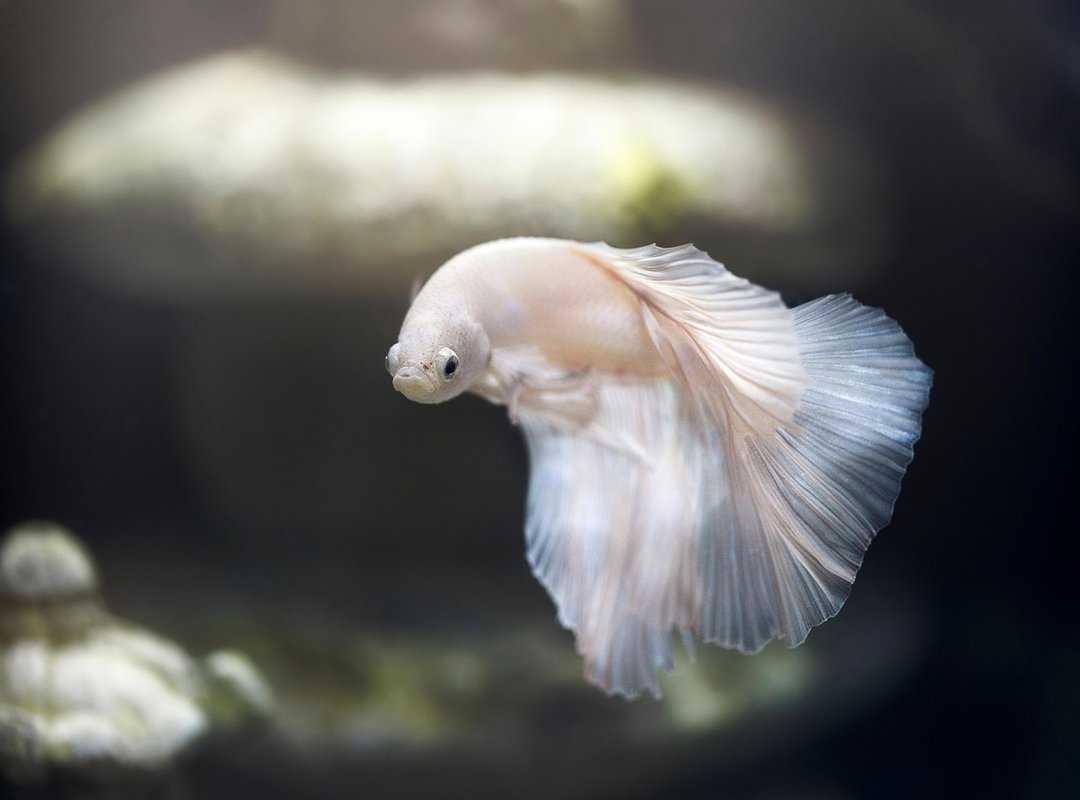
I’ve watched hundreds of tanks go sideways.
Most owners miss the first warning because it’s quiet.
Clamped fins plus rapid gill movement? Not rest. That’s stress or gill disease.
White spots only on fins, not body? That’s early ich. Treat now, not in three days.
Glass surfing (darting) up and down tank walls nonstop? Your fish is panicked, not playful.
African dwarf frogs burying? Normal. African clawed frogs floating belly-up?
Get them into shallow water now.
Scaleless fish like loaches or tetras? Aquarium salt will burn them. So will shrimp, snails, or frogs. Don’t guess.
Check species first.
Isolate before medicating. Use a bare hospital tank (no) substrate, no plants, no decorations. Just water, heater, and air stone.
If you see rapid gill movement + clamped fins + loss of appetite within 12 hours? Call an aquatic vet. Don’t wait for “just one more day.”
This isn’t alarmist. It’s what I do when my own tank blinks wrong. That’s why I follow Llblogpet Advice for Fish (it) skips fluff and names the real triggers.
Here’s your red-flag checklist:
| Sign | Action |
| Belly-up float + no response to touch | Immediate shallow-water rescue |
| White spots on fins only + flashing | Start ich protocol today |
| Glass surfing + hiding >12 hrs | Test ammonia/nitrite (then) vet |
Fish Don’t Just Live (They) Thrive (or Don’t)
I set up tanks for years before I realized stress kills faster than bad water.
PVC pipes let shy fish hide without panic. Live moss isn’t decor (it’s) shrimp food and biofilm real estate. Danios need flow.
Not a hurricane. Just enough to keep their tails busy.
Six ember tetras minimum. Fewer than that? You’re watching social starvation.
Male bettas with fin-nippers? That’s not drama. It’s guaranteed injury.
Cichlids show hierarchy through color shifts and gill flaring. Ignore those, and you’ll get shredded plants and dead fish.
Light on for 10. 12 hours. No more. Trace minerals once a week in planted tanks.
Yes, it matters. pH shifts over 0.2 per day? That’s shock. Not adjustment.
Tapping the glass feels harmless. It’s not. Your finger is a predator to them.
Use quiet observation windows instead.
You want real, field-tested moves (not) theory. That’s where Llblogpet Advice for Fish comes in. Llblogpet Advice for Fish
Your Tank Is Waiting for You
I’ve seen too many fish die from avoidable mistakes.
You know the pain. That gut punch when your favorite fish stops eating. When the water looks fine (but) something’s off.
Preventable illness starts with routine. Not magic. Not gear upgrades.
Just three things: test water before feeding, match habitat to biology (not your Instagram feed), and watch behavior like a scientist.
No more guessing.
Llblogpet Advice for Fish gives you the exact steps (not) theory.
Pick one section this week. Water quality or feeding. Do its top tip.
Today. Not Monday. Not after vacation.
You’ll see a difference in 48 hours.
Most people wait until it’s too late. You won’t.
Healthy water isn’t a luxury. It’s the first breath your aquatic pets take every day.