I remember the exact moment I brought my first bird home.
That flutter of excitement. That quiet panic when I realized I had no idea what I was doing.
You’ve been there too. Scrolling through a dozen conflicting articles. Reading advice that contradicts itself.
Wondering if your bird’s beak clicking means love (or) stress.
I’ve raised finches, conures, cockatiels, and more. Made every mistake you can imagine. Burned through expensive toys.
Gave bad food. Got scolded by a very opinionated parrot.
That’s why Llblogpet Advice for Birds From Lovelolablog exists.
No theory. No guesswork. Just what actually works.
This article covers the four things that matter most: environment, nutrition, health, and enrichment.
Nothing extra. Nothing confusing.
Just clear steps. Tested over years. Built from real life (not) a lab.
Your Bird’s Cage Isn’t a Jail (It’s) Their Whole World
I’ve watched too many birds pace the same three inches of bar every morning. That’s not normal. That’s a cage that failed them.
A bird’s cage is their sanctuary. Not a holding cell. Not a decorative prop.
If it feels like punishment to you, it feels like terror to them.
So get it right. Start with size. Big enough to fully stretch and flap their wings without touching the sides. No exceptions. Measure it yourself.
Don’t trust the box label.
I swapped out all my dowel perches two years ago. They’re foot torture disguised as convenience. Birds need variation (thick,) thin, bumpy, smooth, angled.
Natural wood perches do that. They build strength. They prevent arthritis.
(Yes, birds get arthritis.)
Toys aren’t optional. They’re survival tools. Foraging toys: try a paper bag stuffed with shredded paper and a sunflower seed at the bottom.
Shreddable toys: untreated balsa wood blocks (they’ll) demolish one in an afternoon. Puzzle toys: the classic Piyo Piyo foraging wheel works. It’s simple.
It’s effective. It’s not cute (it’s) necessary.
Place the cage where your bird sees life happen. Not tucked in a closet. Not next to the AC vent.
Not under the ceiling fan. And never near the stove (Teflon) fumes kill birds in minutes.
Drafts, smoke, constant yelling from the TV. Those aren’t annoyances. They’re stressors that suppress immunity.
I moved my cockatiel’s cage three times before it clicked.
You want real, no-BS setup advice? This guide covers what most blogs skip (like) perch spacing and toy rotation timing.
Llblogpet Advice for Birds From Lovelolablog nailed the basics (but) skipped how to actually test if a perch is the right diameter for your bird.
I go into much more detail on this in Pet Advice.
Try this: your bird should wrap their toes around the perch with a slight gap between the tips. Not squeezed. Not dangling.
Beyond the Seed Bowl: A Diet for a Thriving Bird
I used to feed my cockatiel nothing but sunflower seeds. He loved it. He also lost feathers, got lethargy, and failed his vet check.
That’s not cute. It’s malnutrition. And it’s extremely common.
A seed-only diet is like feeding a toddler only candy. It’s tasty. It’s addictive.
It’s dangerous.
High-quality pellets are the foundation (70–80%) of what your bird eats. Not “some pellets mixed in.” Not “a few pellets on top.” Foundation.
You’ll need patience. You’ll need consistency. And you’ll need to ignore the side-eye your bird gives you when you take away the seeds.
Here’s what I actually give my birds daily:
- Bell peppers (red, yellow, orange. No green)
- Kale and romaine (skip iceberg (zero) nutrition)
- Blueberries (frozen works fine)
- Cooked sweet potato (cooled, no seasoning)
- Zucchini (raw or steamed)
Foods to ALWAYS Avoid:
Avocado
Chocolate
Caffeine
Alcohol
Onions
Yes. All of them. Even tiny amounts.
Even “just a taste.” Don’t test this.
My tip? Start by mixing 90% seeds with 10% pellets. Hold there for 3 (4) days.
Then go to 80/20. Keep moving slowly. Offer pellets in the morning.
That’s when birds are hungriest. Remove seeds after 2 hours. Repeat.
It takes weeks. Some birds take months.
Don’t force it. Don’t bribe with treats. Just stay steady.
I’ve seen birds go from fluffed-up and quiet to singing at dawn in under six weeks. It’s not magic. It’s food.
This isn’t just advice. It’s what keeps your bird alive past age 5. Llblogpet advice for birds from lovelolablog 2 covers this same ground.
But with less yelling. (I yell because I’ve buried two birds who ate the wrong thing.)
Birds Don’t Complain (They) Disappear
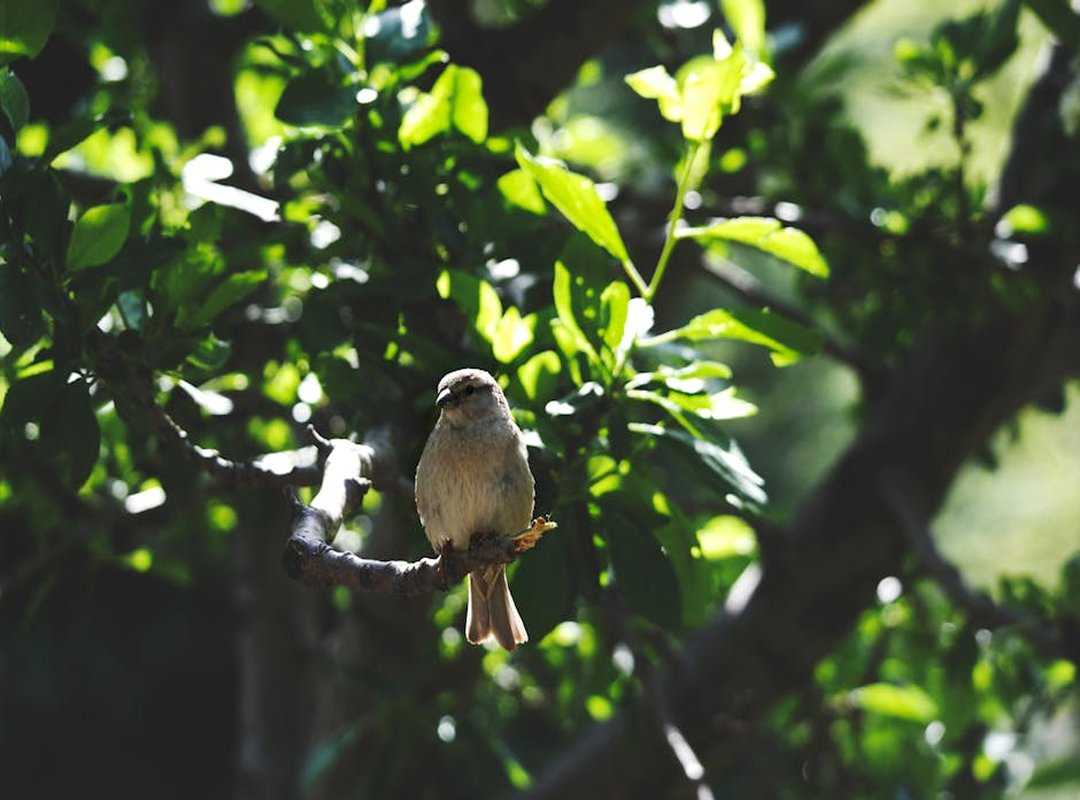
I’ve watched three birds go quiet before showing any obvious sign of illness. They just… slow down. Stop preening.
Eat less.
Birds hide sickness like it’s a survival skill. Because it is.
If you wait for coughing or lethargy, you’re already behind.
So I do a 5-minute check every morning. No apps. No timers.
Just me and the bird.
Check eyes: Are they clear and bright, not crusty or half-closed? Vent area: Is it clean and dry. No stuck poop or swelling?
Droppings: Same color and texture as yesterday? (Green isn’t always bad. But sudden change is.)
Appetite: Did they eat their usual amount?
Not “a little bit.” The full portion. Behavior: Are they alert, moving around, vocalizing. Or just sitting still on one perch?
That’s it. Five things. Takes less time than scrolling Instagram.
Daily cleaning means fresh water, clean food bowls, and wiping cage bars with vinegar water. No bleach. No fumes.
Your bird breathes everything you put in that air.
Weekly? Deep-clean perches, toys, and the whole cage floor. Soak wood.
Scrub plastic. Rinse twice.
And find an avian vet now. Not when your bird stops eating. Not at 2 a.m. on a Sunday.
Call three clinics. Ask if they see birds regularly. If they say “occasionally,” hang up.
Sleep matters more than most people admit. 10. 12 hours of quiet, dark, uninterrupted rest. No TV glow. No hallway light seeping under the door.
Cover the cage. Or move it to a closet.
You’ll notice changes faster once sleep is locked in.
Trust me.
For more detail on what each symptom really means, I keep coming back to the Llblogpet Advice for Birds From Lovelolablog.
It’s the only guide I’ve seen that doesn’t treat birds like feathered hamsters.
Start today. Not tomorrow. Not after vacation.
Today.
Building a Bond: Not Just “Taming”
Birds aren’t pets you train. They’re partners you earn.
I’ve watched too many people treat them like feathered decor. Wrong. They’re highly intelligent and social creatures (and) they notice everything.
Talk to your bird. Softly. Not at them. With them.
Like you’d talk to a friend who’s still sizing you up.
Sit near their cage. Read. Drink coffee.
Don’t stare. Just exist in the same space.
Share a healthy snack. Blueberries, millet spray. From a separate bowl.
I go into much more detail on this in Pet Advice.
Never hand-feed right away. Trust isn’t transferred with food. It’s built with consistency.
Out-of-cage time? Non-negotiable. Every single day.
Bird-proof the room first. No open windows. No ceiling fans running.
No toxic plants within reach.
This isn’t optional enrichment. It’s basic care.
For more on realistic expectations and daily routines, read more in this guide.
Llblogpet Advice for Birds From Lovelolablog covers exactly what most new owners miss.
You Already Know More Than You Think
I’ve been there. Staring at a cage, wondering if I’m doing enough.
Bird care isn’t about perfection. It’s about showing up. Day after day.
With your eyes open.
You felt overwhelmed because the information is everywhere. And most of it contradicts the rest.
That’s why Llblogpet Advice for Birds From Lovelolablog cuts through the noise.
Focus on just four things: environment, diet, health, bonding. Nothing more. Nothing less.
That’s your foundation. Not a checklist. Not a test.
You don’t need to fix everything today.
Pick one thing. Just one. Add a new vegetable.
Swap that plastic perch for natural wood.
Do it this week.
Watch what changes.
Then do it again.
Your bird notices. You’ll notice too.
Start now.