You wake up and the cage is silent.
Your bird usually sings at dawn. Today? Nothing.
You check the food bowl. The water. You poke around, wondering if you missed something yesterday.
I’ve seen this exact moment hundreds of times.
Not in textbooks. Not in labs. In real homes.
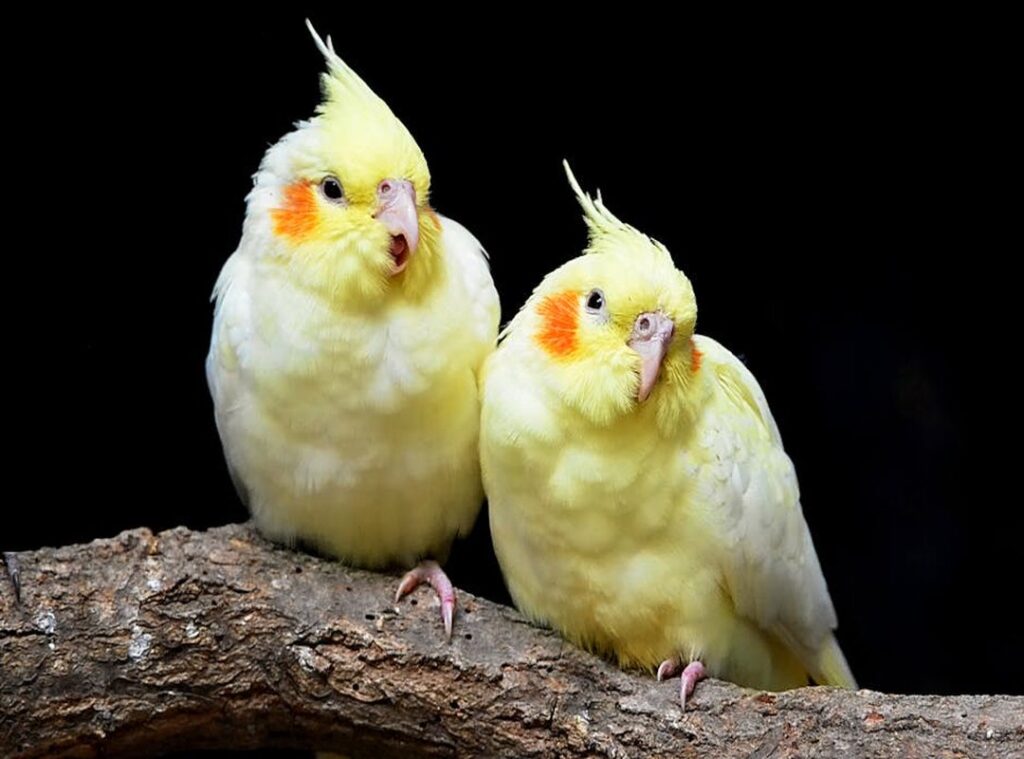
With real birds (cockatiels,) conures, budgies, macaws (eating) different foods, living in different light, reacting to different routines.
Most bird advice online is either too vague or dangerously outdated.
Like telling you to feed seeds as a main diet. (Spoiler: that’s how birds get fatty liver disease.)
Or saying stress doesn’t affect their immune system. (It does. A lot.)
This isn’t theory. I’ve watched birds recover (and) decline. Based on tiny daily choices.
That’s why every tip here is tested. Vet-informed. Bird-observed.
No fluff. No guesswork.
Just clear, practical steps you can take today.
You’ll learn how to spot early signs of trouble. How to adjust lighting, diet, and interaction (without) overhauling your life.
How to prevent common issues before they start.
And how to build trust, not just tolerance.
All grounded in what actually works.
Llblogpet Advice for Birds From Lovelolablog means real experience, not recycled myths.
You’ll walk away knowing exactly what to do next.
Your Bird’s Habitat Isn’t a Cage (It’s) Their Whole World
I’ve watched too many birds pace the same two inches of perch while their owners brag about “the biggest cage on Amazon.”
Size alone means nothing. Bar spacing matters more. Budgies need bars no wider than ½ inch. Cockatiels? ⅝ inch max.
Conures? ¾ inch (but) only if they’re not chewers (and most are).
Cage depth is just as key. A shallow cage forces your bird to back into corners when startled. Minimum depth: 24 inches for budgies, 30 for cockatiels, 36 for conures.
Perches shouldn’t all be the same width or material. I use wood, rope, and concrete. Not because it’s trendy, but because feet need variation.
Flat perches cause bumblefoot. Period.
Here’s what I actually use for enrichment (cheap,) non-toxic, and proven:
- Willow wreaths (hang them sideways. Birds love tunneling)
- Paper towel rolls stuffed with millet (tape one end shut, toss it in)
Teflon kills birds in under a minute. Don’t heat nonstick pans while your bird is out. Avocado pits?
Toxic at any exposure (don’t) even leave them on the counter. Scented candles? Keep them 15+ feet away.
And honestly, just don’t light them.
Before you bring your bird home: check windows for gaps, test door latches, and stand in the room for 60 seconds listening. If your own ears itch from noise, theirs are screaming.
You’ll find more practical, no-fluff Pet Advice Llblogpet there. Including real photos of safe setups.
Feeding Right: What to Serve (and What to Skip) Daily
I feed my birds every day. Not perfectly (but) better than I did five years ago.
60% high-quality pellet is non-negotiable. Not “some pellets plus seeds.” Not “pellets on the side.” Sixty percent means most of what’s in the bowl is pellets. I use Roudybush or Harrison’s.
Anything labeled “fortified” or “for all life stages” usually hides filler.
Then 30% fresh veggies. Kale, yes (chopped) fine. Carrot, grated.
Cooked sweet potato, cooled and diced. Spinach? Skip it.
Too much oxalate. Broccoli stems? Great.
Lettuce? Water with a side of disappointment.
Treats are 10%. Think millet spray once a week, not daily. Or a pea.
Or a sliver of cooked egg.
Five human foods sold as “healthy bird snacks” that aren’t: apple seeds (cyanide), raw kidney beans (lectin toxicity), onion powder (hemolytic anemia), avocado (persin), and chocolate (theobromine). None are worth the risk. Period.
Switching from seed to pellet? Try the plate method. Week one: 90% seed, 10% pellets on a separate dish.
Week two: 75/25. Watch for poop changes (loose) = too fast. No interest in pellets?
Try warming them slightly. Or mix in a pinch of crushed nut.
Spring and summer bring peak nutrition in peas, zucchini, and dandelion greens. Winter? Frozen peas (thawed) and steamed squash hold up well.
Llblogpet Advice for Birds From Lovelolablog covers this stuff in plain language (no) fluff, no jargon.
Store fresh greens in airtight containers. Wash everything. Even organic.
You’ll know it’s working when your bird starts picking pellets before the seeds. That’s the win.
Bird Body Language: What They’re Really Saying Right Now
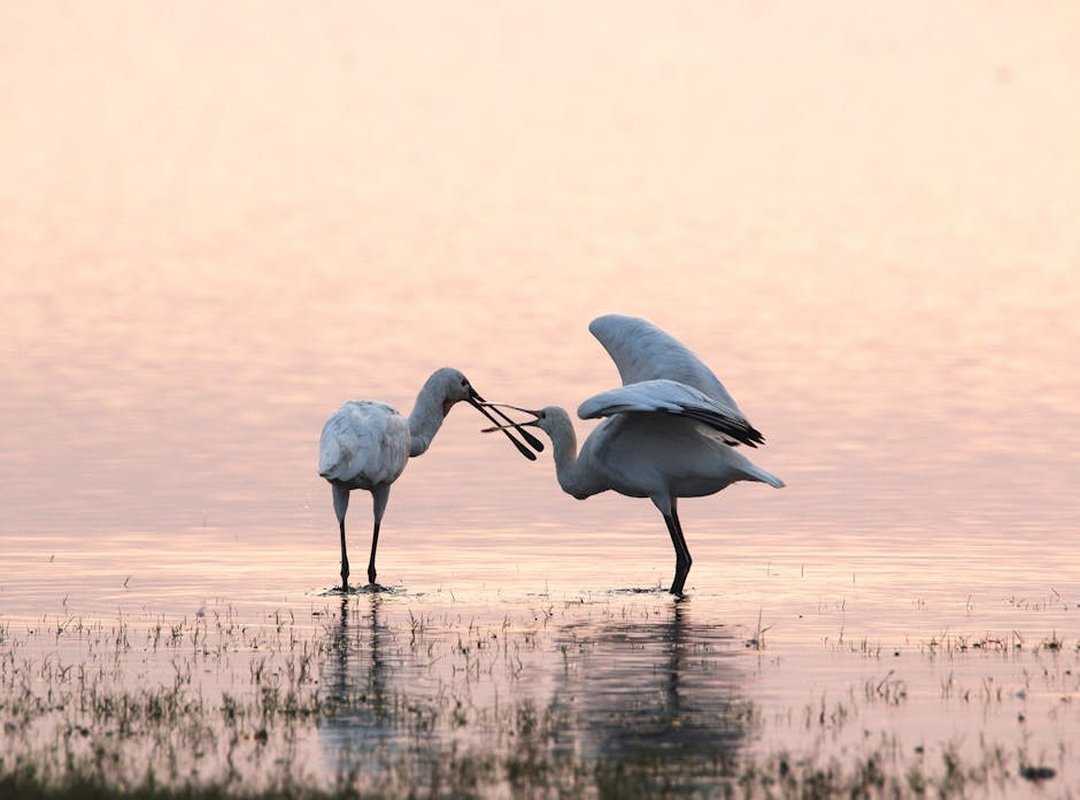
I watch birds every day. Not just for fun. Because they lie.
Constantly. And I mean that in the kindest way.
Fluffed feathers at noon? That’s not cozy. That’s a red flag.
One-foot standing for over ten minutes? Their leg’s tired (or) their body is fighting something. Tongue barely moving while eating?
Swallowing hurts. Or the food doesn’t taste right. Or something deeper is off.
Droppings changing texture. Not just color (is) often the first sign of gut trouble. Stickier, drier, or suddenly watery?
Pay attention.
Relaxed birds hold wings close. Fearful ones tuck them too tight (or) splay them weirdly. Eye pinning more than twice a minute for five minutes straight?
That’s stress. Not curiosity. Head bobbing while perched still?
Could be hormonal. Bobbing while pacing >3x/min for 5+ minutes? That’s distress.
Here’s my Daily 60-Second Check:
Beak. Smooth, no crust. Eyes.
Clear, no squinting. Nares. Clean, no bubbles.
Feet. Warm, no swelling. Vent (dry) and tidy.
Sneezing isn’t a cold. It’s usually dust, seed hulls, or mites. Biting isn’t aggression.
Breathing. Quiet, no tail bobbing.
It’s fear (or) a hormonal misfire.
You’ll find similar logic in Llblogpet Advice for Dogs by Lovelolablog. Same principles, different species.
Don’t wait for collapse to act. Watch earlier. Act sooner.
Trust Isn’t Built in One Sitting
I do the 3-Minute Daily Ritual every day. No exceptions.
Approach slowly. Offer their favorite treat on a flat palm (no) hand-feeding. Then step back immediately.
Even if they don’t take it.
You’re not training them to eat. You’re training them to feel safe near you.
Step-up training fails when people cue, wait, and reward halfway through the motion. Wrong. The treat must land after both feet are fully on your finger.
And only within two seconds of the cue. Same words. Same hand signal.
I wrote more about this in Pet Advice Llblogpet.
Every time.
Timing isn’t picky. It’s non-negotiable.
Biting? Pause. Breathe.
Ask: Was there a mirror? Did I move too fast? Did they see my elbow swing?
Then redirect. Gently guide them to their perch. Wait ten seconds.
Resume calmly. No scolding. No walking away like it’s punishment.
That just teaches them avoidance works.
Week 1 goal: Bird watches you eat without flying off. Week 2: Lets you hold your finger near their beak for five seconds. Week 3: Takes a treat from your palm without flinching.
Week 4: Steps up before you even extend your hand.
This isn’t magic. It’s repetition with respect.
You’ll see real change in 21 days. Or you won’t see it at all.
For more detail on timing, triggers, and what “calm” actually looks like in practice, check out the Llblogpet Advice for Birds From Lovelolablog.
Start Your Bird’s Healthiest Week (Today)
I’ve seen it a hundred times. You love your bird. But you don’t realize that today’s food swap or tonight’s 60-second check changes everything.
Small choices add up. Fast. Not in months.
Not in years. In days.
So do this now: download or sketch the Habit Starter Sheet. Cage setup. Feeding.
Interaction. One checklist. Done before bedtime.
That sheet isn’t busywork.
It’s your first real step toward longer, brighter days for your bird.
Your bird doesn’t need perfection. They need consistency. Care.
And Llblogpet Advice for Birds From Lovelolablog.
Grab the sheet. Fill it out tonight. You’ll feel the difference by tomorrow morning.