
You just got home with your new dog.
And already, you’re drowning in advice.
One blog says crate train on day one. Another says never crate at all. A forum thread argues about raw food.
A vet recommends kibble. Your neighbor swears by coconut oil for everything.
It’s exhausting.
And it’s not your fault.
I’ve watched this happen hundreds of times. With puppies and seniors. With terriers and Great Danes.
With dogs who bark at leaves and dogs who ignore thunderstorms.
This isn’t theory.
It’s what works. When you actually live with dogs every day.
You don’t need more opinions.
You need clear steps that hold up across breeds, ages, and real-life chaos.
That’s what you’ll get here.
Llblogpet Advice for Dogs by Lovelolablog
No jargon. No trends dressed up as science. No “it depends” answers that leave you guessing.
Just direct, tested guidance (the) kind you’d tell a friend who just adopted their first dog.
I’ve seen what sticks. And what fails. Every time.
You’ll walk away knowing exactly what to do next. Not tomorrow. Not after three more tabs.
Now.
Decoding Your Dog’s Behavior. Without Guesswork
I used to think my rescue terrier mix was just “quirky.” Turns out I mistook lip licking for contentment. It was stress. Big time.
That’s how I learned the hard way: body posture tells you more than barking ever will.
Ears pinned back? Tail low and stiff? Weight shifted backward?
That’s not excitement. That’s anxiety building. Not every wag means happy.
Some wags are tight. Some are fast. Some mean get away from me.
Here’s your 30-second stress check. Do it daily. No apps.
No treats. Just watch.
Look at their shoulders. Are they raised? Is the head low or tucked?
Watch the ears. Relaxed is neutral, pinned is trouble. Then check the tail.
Does it move freely or vibrate in place?
You’ll spot it faster than you think. Especially if you do it before walks, before guests arrive, before you leave the house.
My terrier licked his lips every time I picked up my keys. I thought he was excited. Nope.
He was bracing for abandonment. We fixed it in 17 days. With consistency, not magic.
Most mild reactivity improves in 2 (3) weeks if you adjust routine and avoid triggers. But if you see panting without heat, trembling without cold, or sudden aggression toward familiar people? Stop.
Call a vet behaviorist. Don’t wait.
Pet advice llblogpet 3 3 covers exactly when to pivot from home practice to professional help.
Llblogpet Advice for Dogs by Lovelolablog got me through that first month. No fluff. Just clear signals and next steps.
You don’t need a degree to read your dog. You just need to look (really) look. And trust what you see.
Feeding That Actually Supports Lifelong Health
I read dog food labels for fun now. (Not really. But I have to.)
“Meat meal” with no species named? Red flag. “Vegetable derivatives”? Meaningless. “Natural flavors”?
Code for “we won’t tell you what’s in it.”
You wouldn’t eat mystery slurry. Why feed it to your dog?
Portion size isn’t just about weight. It’s about what your dog does all day.
Here’s what works. Tested, not guessed:
| Activity Level | Daily Portion (for 30-lb dog) |
|---|---|
| Low | 1¼ cups |
| Moderate | 1¾ cups |
| High | 2¼ cups |
Grain-free doesn’t mean healthier. In fact, the FDA’s 2023 update tied certain boutique grain-free diets to dilated cardiomyopathy in dogs.
Yes. Real heart damage. Not speculation.
Try vet-approved alternatives like Wellness Core or Blue Buffalo Life Protection. Both have clear ingredient sourcing and zero legume-heavy formulas.
My 5-minute weekly prep tip? Portion meals into snack-sized ziplocks on Sunday night. Done.
Consistent. No morning math.
Llblogpet Advice for Dogs by Lovelolablog helped me stop guessing and start feeding with purpose.
You’ll know it’s working when your dog stops itching, gains steady energy, and leaves their bowl clean (not) because they’re desperate, but because it fits.
Training That Sticks. Even With Zero Experience
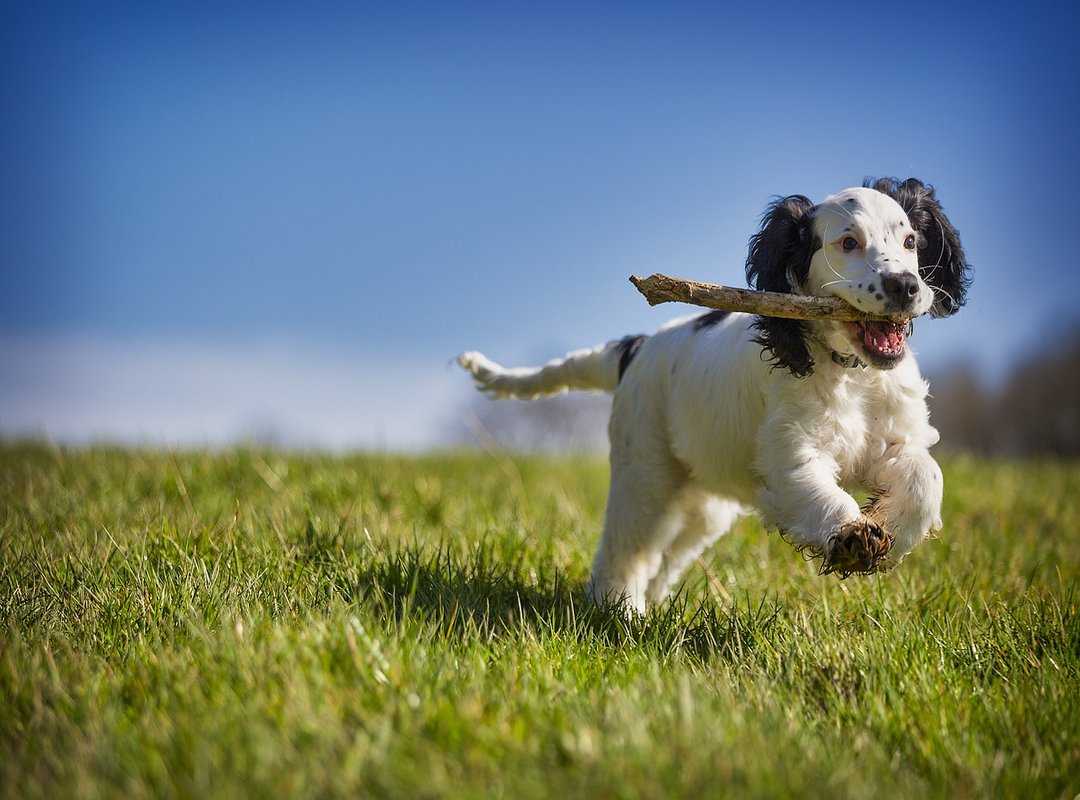
I taught my first dog to sit without saying the word sit. He just watched me. Then he did it.
That’s how fast real learning happens (when) you stop bossing and start inviting.
The 3-Touch Rule is not magic. It’s consistency. Three seconds a day.
Paws. Ears. Collar.
Done. No drama. No force.
Just touch, pause, walk away. Your dog learns: *This isn’t scary. This is boring.
And boring is safe.*
Leash walking? Try the 7-day reset. No new use.
No fancy gear. Just change when and how you move. Dawn or dusk.
Thirty-second pauses every 20 feet. Reward only forward motion. Never stopping, never pulling, never looking up at you.
It works because dogs read timing better than tone.
“Leave it” fails when you treat it like a command. It’s not obedience. It’s impulse control.
So I use two bowls. One with low-value treats. One with high-value.
I covered this topic over in Llblogpet Advice for Birds From Lovelolablog.
Let them choose. Then raise the stakes slowly. They learn choosing is more rewarding than grabbing.
Biggest mistake? Rewarding attention after barking. You’re reinforcing noise.
Not calm. Try the audio cue: before-bark silence (a soft “hey”) → reward → then wait for eye contact. After-bark attention feels frantic.
Before-bark attention feels grounded.
You don’t need experience. You need rhythm. And if you want the full breakdown on timing, cues, and why most people misread their dog’s stress signals, check out the Llblogpet advice for dogs by lovelolablog 2.
I used it. It changed how I listened.
When to Worry. And When to Wait It Out
Gum color shifts from pink to pale? Saliva feels tacky? That’s pale gums (call) your vet today.
Vomiting blood. Seizures. Straining to pee with nothing coming out.
Same-day call. No debate.
Some things settle fast. If you stick to the routine. Restlessness.
Panting at night. Refusing food. These often ease in 72 hours.
Track them in a simple log: date/time/symptom intensity (1 (5).) Not “a little worse” (4.) Be honest.
Mild diarrhea? You’ve got 48 hours. Hydration is non-negotiable: skin tent must snap back in under 2 seconds.
If it doesn’t, or if diarrhea lasts longer than two days. Switch to bland diet immediately.
Older dogs don’t just “slow down.”
Reluctance to jump into the car? That’s often arthritis showing up six months early. Don’t write it off.
Watch closely. Adjust before it hurts.
For birds, the signs are different (and) quieter. This guide covers what to watch for there. Llblogpet Advice for Dogs by Lovelolablog keeps it real. No fluff.
Just timing.
Your Dog Doesn’t Need More Noise (They) Need Your Calm Next Step
I’ve seen the exhaustion in your eyes. That scroll. That second-guessing.
That feeling like every article contradicts the last.
That’s why Llblogpet Advice for Dogs by Lovelolablog isn’t theory. It’s one action. Then another.
Then another.
No grand overhaul. No 30-day challenges. Just low-effort moves that land today.
You’re not behind. You’re not failing. You’re just buried under noise.
Not lack of care.
So pick one section. Right now. Read its first tip.
Do it before bedtime tonight.
Then notice what shifts tomorrow morning. The quieter leash walk. The softer sigh.
The way your dog looks at you like you finally heard them.
That’s not magic. It’s clarity, finally arriving.
Confidence isn’t knowing everything. It’s trusting the next small step you take.