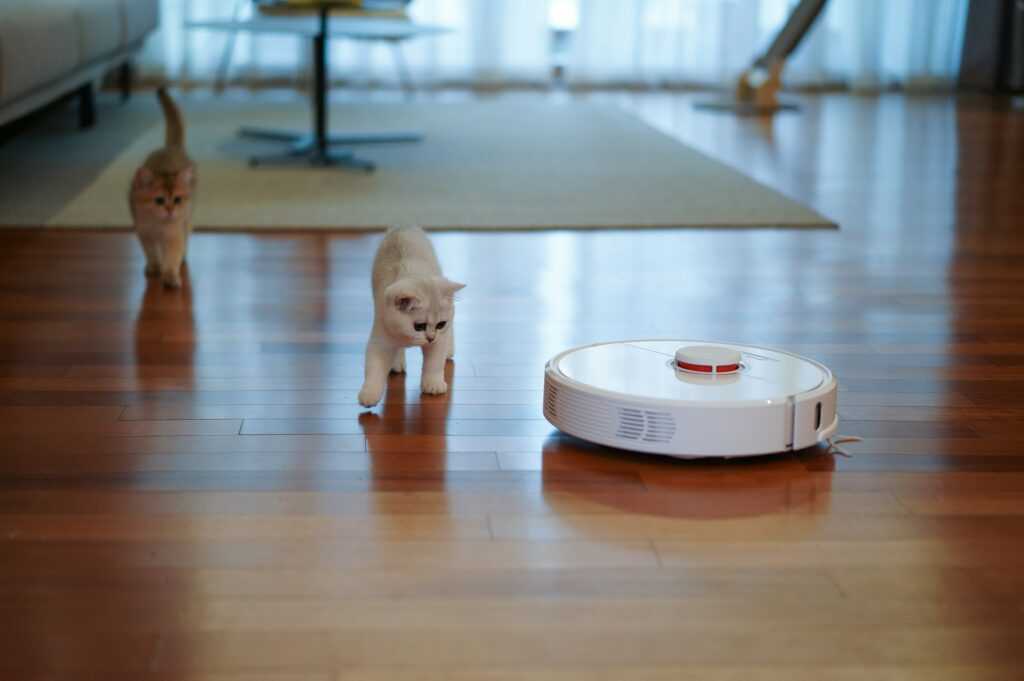

That first car ride home with your kitten? Your hands are sweaty. Your brain is screaming what did I just do.
You love them already. But you also have no idea what comes next.
There’s too much advice out there. And half of it contradicts the other half.
I’ve helped hundreds of new kitten owners since 2016. Not from a book. From real living rooms.
Real litter boxes. Real 3 a.m. crying fits.
This Infoguide for Kittens Llblogpet cuts through the noise.
No fluff. No theory. Just what works.
Right now.
You’ll finish this knowing exactly what to buy, when to feed, how to spot trouble, and whether that weird purring is normal.
I’ve seen every mistake. So you don’t have to make them.
By the end, you’ll have a clear checklist. One you can print or screenshot.
And you’ll feel calm. Not panicked.
That’s the point.
Bringing Them Home: The First 48 Hours
I brought my first kitten home at 3 a.m. because I thought “midnight adoption” sounded romantic. It wasn’t.
You need a base camp. Not a palace. A quiet room with a litter box, water, food, and one soft towel.
No toys yet. No pressure. Just safety.
That room is your safe zone. Keep the door closed. Let them smell it first.
Then open it just wide enough for them to peek in.
They will hide. They will freeze. They might not eat for 12 hours.
That’s normal.
Don’t chase. Don’t scoop. Don’t “help” them explore.
You’re not their tour guide. You’re their quiet backup.
The first night? Expect crying. It’s not pain.
It’s panic. They’re alone for the first time since birth.
I put a warm sock (microwaved 20 seconds) beside their bed. Not in it. Beside it.
Works better than me hovering.
Do not pick them up every time they cry. You’ll teach them that noise = attention. And attention = being held.
Which becomes a habit you’ll fight for months.
Introducing others? One person at a time. Sit on the floor.
Let the kitten approach. No reaching. No staring.
If they leave, let them.
Other pets? Keep them out of the base camp for 72 hours. Then use baby gates.
Sniffing only. Zero face-to-face contact for day one.
Here’s what you need before they arrive:
- Litter box (low-sided)
- Unscented clumping litter
- Shallow food + water bowls
- Soft bedding
- A cardboard box (yes, really (cheaper) than beds and they prefer it)
For more on this phase, I rely on the Pet Advice Llblogpet section. Especially the part about reading kitten body language.
The Infoguide for Kittens Llblogpet helped me stop guessing what the tail flick meant.
You don’t have to be perfect. You just have to be steady.
Kitten Food Isn’t Just Small Adult Food
Kittens need way more protein and calories than adult cats. I’ve seen too many owners pour adult food into a tiny bowl and wonder why their kitten’s coat looks dull or they’re always napping.
It’s not cute. It’s biology. Their bodies are building muscle, bone, and brain tissue (fast.)
Wet food wins. Every time. Not because it’s trendy.
Because kittens don’t drink enough water on their own. Dry kibble is only 10% moisture. Wet food?
Around 75%. That difference stops urinary crystals before they start.
I mix both sometimes. But never go full dry. If you do, you’re gambling with their kidneys (and yes, vets see the fallout).
Feeding Schedule: Age Matters
8 (12) weeks: 4 small meals a day. 3. 6 months: Drop to 3. 6+ months: You can shift to 2, if they’re thriving.
Skip free-feeding. Kittens don’t self-regulate well. They’ll overeat or ignore food entirely.
Look for named meat sources first on the label. Chicken. Turkey.
Salmon. Not “meat meal” or “by-product.” Skip corn, soy, and wheat. They’re fillers, not fuel.
Onions? Garlic? Chocolate?
Grapes? All toxic. Even tiny amounts.
Don’t test this. Just don’t.
That “Infoguide for Kittens Llblogpet” covers label decoding in plain language (no) jargon, no fluff.
You wouldn’t feed a toddler cereal for every meal. So why feed a growing kitten food made for maintenance?
Start today. Not next week. Not after vacation.
Today.
Your kitten’s future health is being built right now (one) bite at a time.
Kitten-Proofing and Health: What You Actually Need to Do

I bought my first kitten on a Tuesday. By Thursday, she’d chewed through a charging cable and tried to eat a rubber band.
So here’s what I did right. And what I wish I’d known sooner.
Secure loose wires. Tape them down. Bundle them.
Hide them behind furniture. Kittens treat cords like chew toys (they’re not wrong).
Remove toxic plants. Lilies? Deadly.
Pothos? Vomiting. Aloe?
Diarrhea. Check the ASPCA list before you bring one home.
Put away small objects. Paper clips, bobby pins, rubber bands (gone.) They swallow stuff. Then you’re at the vet holding a bill and your dignity.
Get to the vet within seven days. Not next week. Not after you “settle in.” Within seven days.
They check for parasites, congenital issues, and whether that tiny purr is hiding a wheeze.
Core vaccines start at 6 (8) weeks. FVRCP covers feline distemper, rhinotracheitis, and calicivirus (three) big ones that can kill kittens fast. Rabies comes later, but it’s required by law in most places.
Spay or neuter at 4 (5) months. Not “when they’re older.” Not “after they have one litter.” At 4. 5 months. It cuts cancer risk.
Stops spraying. Reduces roaming.
Watch for sneezing, goopy eyes, or ear scratching. Those are fleas, ear mites, or upper respiratory infections. Common, contagious, and miserable.
The Infoguide for Kittens Llblogpet lays this out step-by-step with vet-approved timelines.
I skipped half of this with my first cat. Regretted it every time she coughed.
You don’t need perfection. You need preparation.
Start today. Not tomorrow. Today.
Play, Potty, and Personality: Building Good Habits Early
I started litter box training my first kitten at 8 weeks. No waiting. No “let’s see how it goes.” You pick a shallow box.
You use unscented, clumping litter. And you put it somewhere quiet but not isolated (like) a bathroom corner, not the basement.
Place it away from food and water. Cats won’t potty where they eat. (Yes, even if your cat stares at you like you’re crazy.)
Clean it daily. Scoop twice if you can. A dirty box is the #1 reason kittens avoid it.
Play isn’t optional. It’s how they learn boundaries. If you let them bite your hand during play, they’ll keep biting your hand.
Not cute. Not safe.
Use wand toys (not) your fingers. Let them chase, pounce, kill the toy. Then give them a treat or a nap.
That mimics the hunt-rest-eat cycle.
Puzzle feeders work. Crinkle balls? Fine for solo time.
Avoid string or ribbons. They’re gut-wreckers.
Scratching furniture? Don’t yell. Put a post right next to the couch.
Rub catnip on it. Gently place their paws on it after naps.
This is all in the Infoguide for Kittens Llblogpet (but) skip the fluff and go straight to the steps.
If you have a dog too, the Llblogpet Advice for page has the same no-nonsense tone (just) for pups.
You’ve Got This
I remember staring at my first kitten, heart pounding. What if I mess up? What if they get sick?
What if I’m just not cut out for this?
Turns out. Kitten care isn’t about perfection. It’s love.
Good food. A quiet corner to nap. Vet visits on time.
That’s it. No magic. No mystery.
Just showing up.
The Infoguide for Kittens Llblogpet gave you the core stuff (the) only stuff that matters. You’re not overwhelmed anymore. You’re ready.
So breathe.
Your hands aren’t shaking now.
Now, go enjoy every moment with your new best friend.