
Your hands are shaking a little.
You just brought home a tiny, warm ball of fluff. And you’re already Googling “why is my kitten hiding” at 2 a.m.
I’ve been there. And I’ve helped hundreds of people through those first two weeks (the) ones where every sneeze feels like an emergency and every litter box trip feels like a test you didn’t study for.
This isn’t theory. It’s what works. Every day.
With real kittens. Real mistakes. Real fixes.
The Infoguide for Kittens Llblogpet cuts through the noise.
No fluff. No guilt trips. Just clear steps.
Feed this, watch for that, do this before bedtime.
I’ve done this for over seven years. Not in a lab. In living rooms.
On couches. In vet waiting rooms.
You’ll finish this with a checklist in hand and your shoulders relaxed.
You’ll know what to do next. Not maybe. Not someday.
Right now.
Before You Bring Them Home: The Real Prep List
I did this wrong the first time. Brought a kitten home to chaos. Learned fast.
You need a safe room. Not the whole house. Just one quiet room.
Small is better. A spare bedroom or even a large closet with a door you can close.
Put down a bed. Add food and water bowls (skip) plastic. Stainless steel or ceramic only.
(Plastic scratches. Bacteria love that.)
Toss in a litter box. Fill it with unscented, clumping litter. No fancy crystals or pine pellets for week one.
Keep it simple.
Add a scratching post. Not cardboard. Something sturdy.
And two toys. Nothing with strings or beads. Those get swallowed.
Kitten-proofing isn’t optional. It’s urgent.
I taped every loose wire. Yes, every one. Used cable sleeves.
Checked under furniture. Looked behind the couch. That’s where lost socks and kittens vanish.
Toxic plants? I moved my lilies to the garage. Even the peace lily went.
They’re pretty. They’re also poison.
Windows? Locked. Screens tested.
One wobbly screen = one gone kitten. Don’t wait to find out.
This Pet advice llblogpet 3 guide walks through each hazard with photos. Saved me twice.
Pro tip: Grab a blanket from the breeder or shelter. Put it in their new bed. That scent cuts stress by half.
Skip the “let them explore right away” advice. Let them settle. Let them hide.
Let them choose when to come out.
The Infoguide for Kittens Llblogpet says it best: calm before connection.
You’ll know when they’re ready. Their tail will lift. They’ll watch you eat.
Until then? Leave them be.
That room is their world now. Guard it like it matters.
It does.
Step 2: Feed Them Right (Then) Show Them the Box
I bought my first kitten a fancy grain-free kibble. He sneezed at it. Then ignored it.
Then puked on the rug.
That’s when I learned: kittens need meat. Not “meat by-products.” Not filler. Real protein.
Lots of it.
They burn calories like tiny furnaces. Adult cats? Not so much.
Their metabolism slows. So yes. Feed kittens more, and feed them often.
Three to four small meals a day works. I use a cheap kitchen timer. Beep means food.
No exceptions.
Water matters just as much. A dry bowl is a red flag. I keep two bowls (one) near the food, one near his favorite nap spot.
He drinks more when it’s not right next to the kibble.
Litter box? Low sides. Non-negotiable.
My first box had tall walls. He climbed out, not in. Then peed behind the couch.
Unscented litter only. Scented stuff burns their noses. And theirs is ten times more sensitive than yours.
Here’s how I introduced it:
Show him the box. Just lift the lid. Let him sniff.
Put him in it after every meal. Every nap. Every time he stares blankly at the carpet (that’s usually a sign).
Praise him immediately if he squats. A soft “good boy” (no) clapping, no treats, no drama.
Clean it twice a day. Scoop every single time. If you skip, he’ll find another spot.
And he will remember.
This isn’t rocket science. But skipping any step screws up the whole rhythm.
The Infoguide for Kittens Llblogpet covers this in plain language (no) fluff, no jargon, just what works.
Don’t overthink the food. Don’t overdesign the box.
Your Kitten’s First Vet Visit: Don’t Skip It
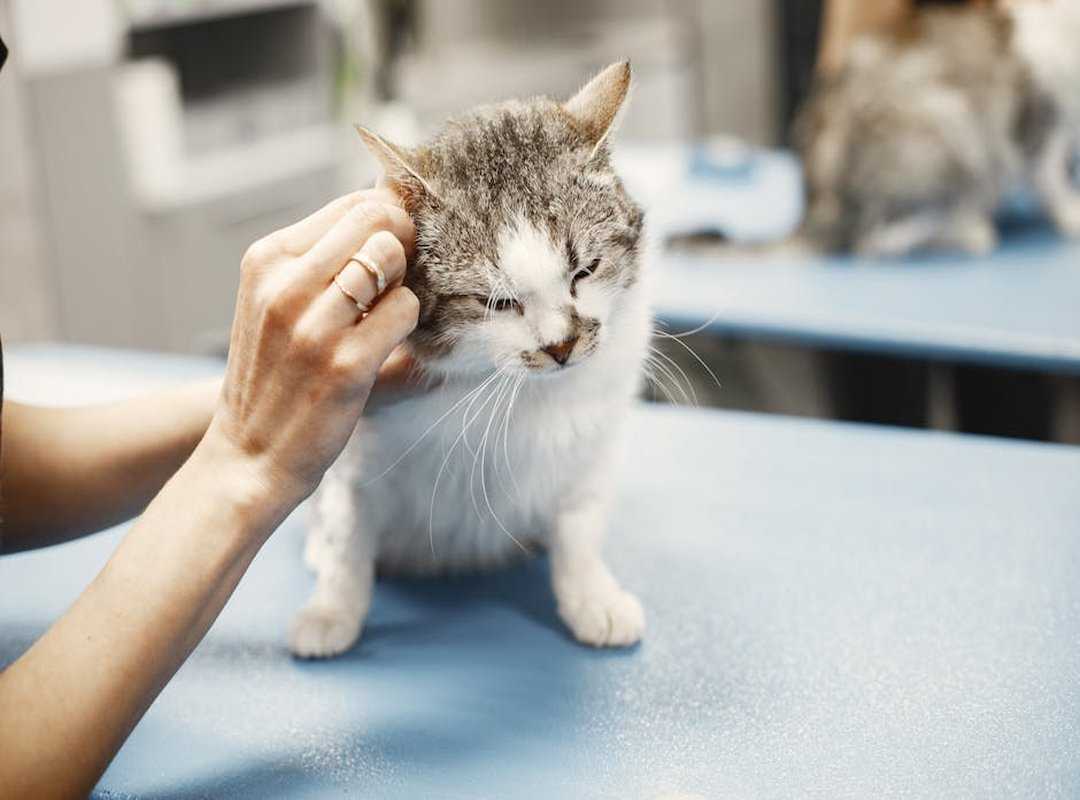
I took my first kitten to the vet on day four. Not day ten. Not “when it seemed convenient.” Day four.
That first visit is non-negotiable. Not optional. Not something you squeeze in between errands.
You walk in with a tiny, warm bundle (maybe) still smelling faintly of milk and cardboard box. And walk out with a plan.
Here’s what I ask for every time:
FVRCP vaccine (it covers three big threats: feline viral rhinotracheitis, calicivirus, and panleukopenia). Rabies. Required by law in most places, and yes, even for indoor kittens.
Deworming. Almost all kittens have roundworms. You won’t see them, but they’re there.
Flea/tick prevention (no,) that little fluff ball doesn’t need it yet, but your vet will tell you when to start. Spay/neuter timing. Usually around 4. 6 months.
Ask why that window matters.
I also push for microchipping that day. Not next month. Not after the second vaccine.
Now. Because if your kitten slips out the door. And they will.
That chip is their only ID.
Watch for red flags: lethargy, refusing food for more than 12 hours, runny eyes or nose, diarrhea, hiding constantly. These aren’t “kitten quirks.” They’re SOS signals.
I covered this topic over in this guide.
The Infoguide for Kittens Llblogpet lays this out cleanly (no) jargon, no fluff.
And if you’re also bringing home a bird? The Infoguide for birds llblogpet has the same no-BS approach. (It helped me spot early signs of respiratory trouble in my cockatiel.)
Skip the wait. Book the appointment before you bring your kitten home.
Seriously. Do it now.
Play Is Not Optional
Play is how kittens learn. Not just fun. It’s brain wiring.
Muscle building. Impulse control.
I watch kittens who don’t play enough. They bite ankles. Knock things off shelves.
Stare at walls like they’re plotting something.
Wand toys work best. The kind that mimic birds or mice. Move them fast, then slow.
Let the kitten choose when to pounce.
Puzzle feeders? Yes. But skip the over-engineered ones.
A cardboard box with kibble inside works fine. (And costs nothing.)
Handle your kitten for 90 seconds at a time. That’s it. Pet gently.
Stop before they twitch their tail. If they walk away (you) won. Don’t chase.
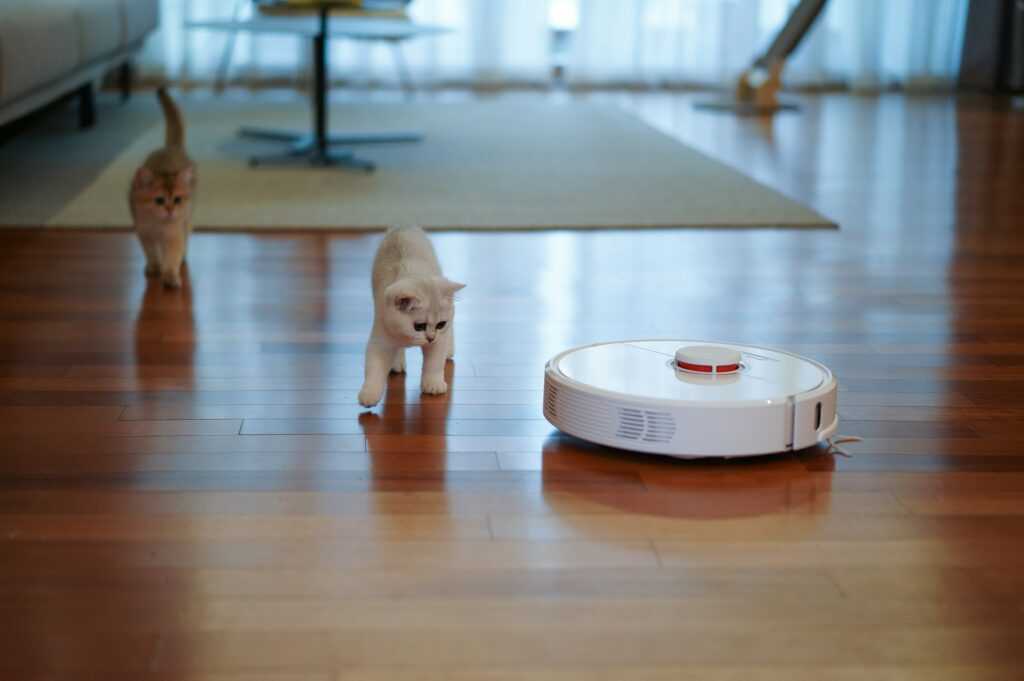
Introduce new sounds slowly. Vacuum on low in another room first. Let them hear it (not) feel it.
Biting hands? Redirect immediately. No scolding.
Just swap your finger for a toy. Every. Single.
Time.
This isn’t training. It’s respect.
You’ll see the difference in two weeks. Calmer eyes. Less surprise pounces.
More naps on your lap.
For more detail on timing and pacing, this guide covers what most people miss.
Socialization windows close fast.
Your Kitten Is Counting on You
I’ve been there. That first week feels like holding your breath.
You wonder if you’re doing it right. You second-guess every choice. That uncertainty?
It’s real. And exhausting.
But you just read the Infoguide for Kittens Llblogpet. You know what matters now.
Safe space. Good food. Vet checks.
Gentle hands.
That’s it. No perfection needed. Just consistency.
Your kitten doesn’t need a guru. They need you (calm,) present, and sure.
So stop overthinking.
Go sit with them. Feel their purr. Watch their eyes soften.
That’s where confidence starts.
And if doubt creeps back in? Open the guide again. It’s right there.
Your journey together is just beginning. Go enjoy it with confidence.