You wake up to chirping. It sounds happy. But you’re not sure.
Is that normal? Or is your bird stressed? Sick?
Bored? Starving?
I’ve watched hundreds of people stare at their cages wondering the same thing. Some feed seeds only because “that’s what birds eat.”
Others panic over every sneeze. A few ignore obvious red flags until it’s too late.
This isn’t about folklore. No “bird whisperer” myths. No vague advice like “just love them more.”
I use evidence-informed care. Real vet studies. Observed outcomes.
Not guesses.
This guide covers daily care, diet, behavior, and health. For budgies, cockatiels, lovebirds, and conures. Nothing extra.
Nothing missing.
You want steps that work. Not theory. Not fear-based rules.
I’ll show you what actually matters. And what doesn’t. So your bird lives longer.
Feels safer. Acts like a bird should.
That’s why this Infoguide for Birds Llblogpet exists.
Bird-Safe Home Setup: No Guesswork
I set up cages for birds the way I’d set up a room for a toddler. Because that’s what it is.
You need exact numbers. Not suggestions. For a cockatiel: 24x24x30 inches, bar spacing no wider than 5/8 inch, powder-coated steel only.
For a conure: minimum 24x24x36, 3/4-inch spacing. For a lovebird: 18x18x24, 1/2-inch max. Anything looser invites broken wings or strangulation.
Place the cage away from drafts (yes, even that “gentle” AC vent). Away from kitchens (Teflon) fumes kill in minutes. And away from direct sun (glass) windows turn cages into ovens.
That’s not advice. It’s triage.
Perch variety isn’t optional. One natural wood perch. One with uneven diameter.
Rotate them weekly. Add one destructible toy (think) willow wreath or cardboard roll. Add one foraging option (a) shallow dish with hidden millet, not just a seed cup.
Avocado? Toxic. Chocolate?
Deadly. Lilies? One leaf can shut down kidneys.
Watch for lethargy, trouble breathing, or sudden silence.
Here’s your room-scan tip: squat down. Get to eye level with your bird. Look for cords, open windows, ceiling fans, and dangling blinds.
All in under 60 seconds.
The Pet advice llblogpet 3 has the full hazard list. I use it before every setup.
That Infoguide for Birds Llblogpet saved me from missing zinc toxicity signs last year.
Don’t wing it. Birds don’t get second chances.
Bird Food: What Stays and What Goes
I feed my birds pellets first. Not as a suggestion. As a rule.
60% of their diet must be high-quality pelleted food. Not seed mixes disguised as health food. Not “gourmet” blends full of sunflower seeds.
Fresh veggies? 25%. Stick to these five: kale (chopped fine), bell peppers (no seeds), carrots (grated), broccoli florets, zucchini (raw or steamed). Wash everything.
No pesticides.
Seeds and nuts? Only 10%. And yes (species) matters.
A conure can handle a few almonds. A budgie? One tiny sunflower seed per day.
Max.
Fruit is 5%. Skip grapes and bananas. Go for blueberries, raspberries, or a sliver of apple (no) skin, no core.
Here’s what kills them fast: avocado, chocolate, caffeine, onions, garlic, alcohol, xylitol. Onion breaks red blood cells. Caffeine spikes heart rate until it stops.
Grit? Don’t give it. Most pet birds don’t need it.
And it can cause impaction.
Tap water? Not always safe. Chlorine irritates airways.
The Infoguide for Birds Llblogpet lays this out clearly (but) skip the fluff and go straight to the feeding chart.
Fluoride builds up. I use a simple carbon filter.
Picky seed-eater? Blend pellets into their current mix. Increase pellet ratio by 10% daily.
Done in ten days.
Or don’t. Watch them get fatty liver instead.
You decide.
What Your Bird Is Really Saying
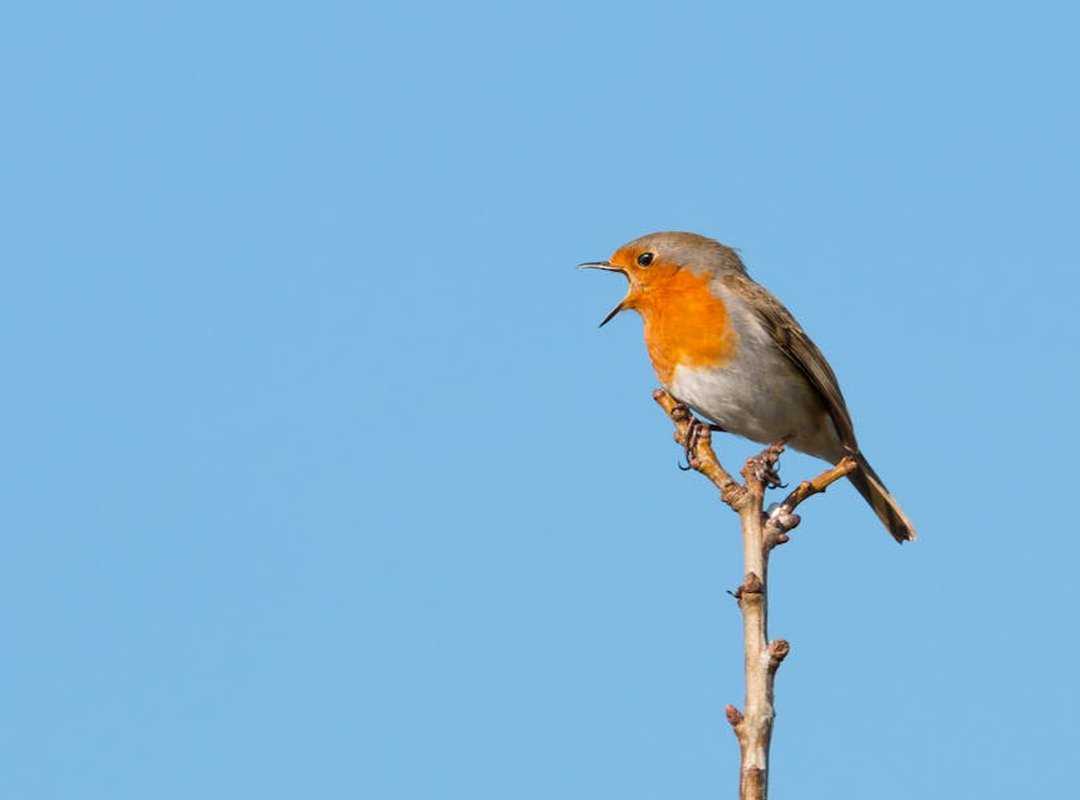
I watch birds all day. Not for fun. To spot trouble before it’s real trouble.
Fluffed feathers? Could mean cozy (or) could mean fever. You need context.
Is the bird sleeping? Or just sitting there, eyes half-closed, breathing fast? (That’s not cozy.)
Eye pinning (those) quick pupil contractions. Means something’s got their attention. But is it your hand moving toward the cage?
Or a shadow on the wall? One’s curiosity. The other’s fear.
Beak grinding? That soft clicking sound? That’s contentment.
Like a cat purring. Tail wagging? Same thing.
Happiness. Not confusion.
Head bobbing? Could be courtship. Could be “feed me now.” Depends on age, sex, and whether they’ve seen you open the seed cup lately.
Feather plucking? Never ignore it. Stress or infection.
Both hurt. Both need action.
Vocalizations tell stories too. Warbling? Fine.
Shrieking every morning at 6:03? Not fine. That’s a signal.
And sudden silence? Worse than noise.
Subtle signs get missed: less food, more hiding, over-preening until skin shows.
Track it. Use a simple log (time,) behavior, sound. For three days.
Then decide if it’s time for the vet.
The Infoguide for Birds Llblogpet helps you separate normal from urgent. (And if you’ve ever wondered how cats compare? The Infoguide for cats llblogpet gives you that side-by-side clarity.)
I covered this topic over in this guide.
Don’t wait for bloodwork. Watch first.
When Your Bird Stops Acting Like Itself
I’ve watched too many birds die because someone waited.
Labored breathing. Sitting on the cage floor. Sudden lethargy.
Blood in droppings. Inability to perch. These are red-flag symptoms.
Not suggestions. Not “maybe check tomorrow.” Same-day vet care. Period.
Sneezing with discharge? Crusty nares? Weight loss over 5% in a week?
Feather loss outside molting season? Those are yellow flags. You get 48 hours.
Not a week. To call.
Birds don’t whine. They don’t limp. They hide illness until they’re barely holding on.
That “just acting off” feeling? That’s your only warning. Early intervention doubles recovery odds.
I’ve seen it. Twice.
Prep before the crisis. Verify your vet is truly avian-specialized (not just “exotic-friendly”). Save their emergency number in your phone right now.
Keep a carrier clean and ready. Log weight weekly. It’s the first thing to drop.
Annual wellness exams catch problems before hospitalization. Yes, they cost money. But most clinics offer payment plans.
And skipping them costs more later.
You’ll find a practical breakdown of all this (and) what to say when you call (in) the Infoguide for Birds Llblogpet.
One Change Changes Everything
You’re tired of the noise. Tired of ten different experts saying ten different things. Tired of staring at your bird, wondering what do I even try first?
I get it. That’s why this isn’t about overhauling everything tomorrow. It’s about picking Infoguide for Birds Llblogpet, opening to one section (diet,) environment, or body language (and) doing just one thing from it.
Within 24 hours.
Not perfect. Not complete. Just done.
That one thing shifts something. You’ll see it in their feathers. Their energy.
Their trust.
Most guides leave you frozen. This one gets you moving. Right now.
So pick a section. Do the top recommendation. Today.
You’ve got this. And your bird already knows you’re their best advocate