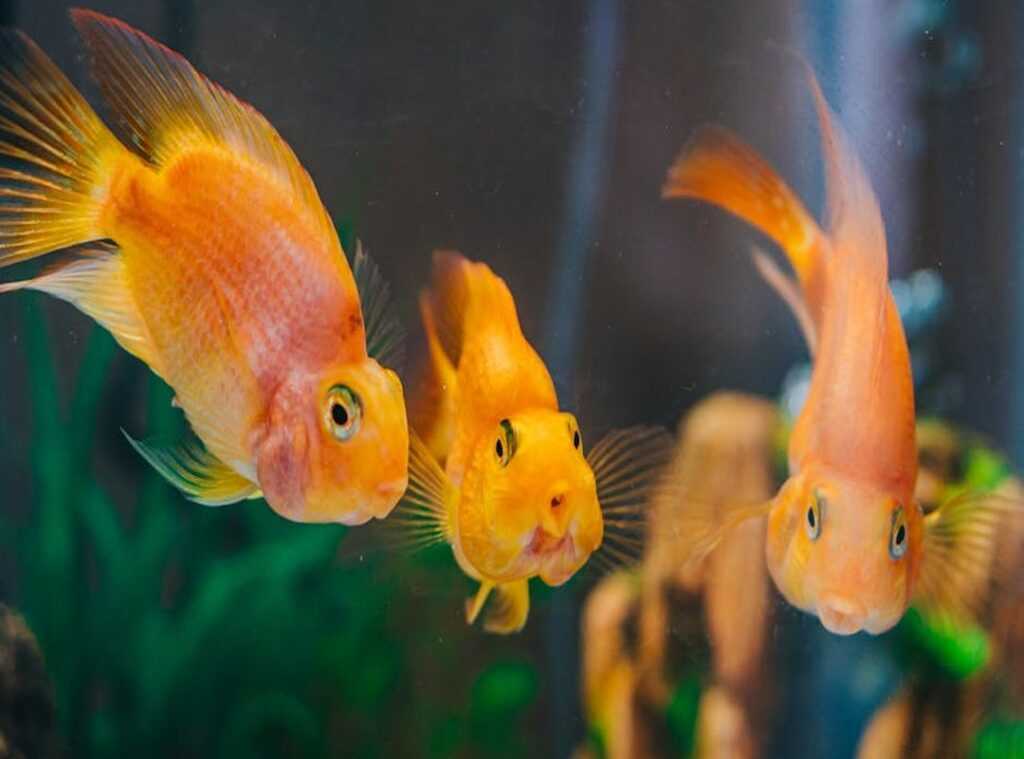
My fish floated sideways this morning.
Not swimming. Not hiding. Just… tilted.
Like something inside gave up.
You know that feeling. That gut drop when you realize you missed something obvious. Again.
Most fish care guides pretend it’s about filters and fancy food. It’s not.
It’s about knowing when your tank’s actually ready. It’s about reading the water test strip before the fish gasps at the surface. It’s about spotting stress before it kills.
I’ve watched thousands of home tanks fail. Not from bad equipment. From tiny, repeated oversights.
The kind no pet store clerk mentions while pushing $40 algae scrapers.
This isn’t theory. It’s what worked in real rooms, with real people, real tap water, real deadlines.
Llblogpet Advice for Fish means field-tested steps. Not lectures. No jargon.
No “just cycle your tank” without telling you how to know it’s done.
You’ll get feeding schedules that match your life (not) a fish’s ideal dream diet. Water testing that takes 90 seconds. Stress signs you can spot in under five minutes.
No fluff. No sales pitch. Just what keeps fish alive.
And breathing.
Right now.
The Non-Negotiable First Step: Properly Cycling Your Tank
I’ve killed fish. Not on purpose. But I did it—twice (before) I learned this.
Cycling isn’t optional. It’s the nitrogen cycle: ammonia → nitrite → nitrate. Ammonia comes from waste.
Nitrite is what bacteria make from ammonia. Nitrate is what other bacteria make from nitrite. Skip any step?
Your fish die slowly. No drama. Just sudden stillness.
You need four things: a liquid test kit (not strips. They lie), pure ammonia (no surfactants, no fragrances), a dechlorinator, and a thermometer. That’s it.
Days 1. 3: Dose ammonia to 2 ppm. Test daily. Watch for ammonia to drop.
Days 4. 10: Nitrite spikes. It will. That’s normal.
Don’t panic. Don’t add fish.
Days 11 (21:) Nitrate rises. Ammonia and nitrite both hit zero. And stay there for 48 hours.
Then you’re ready.
I saw someone dump in a “starter bacteria” gel and call it done. Their fish gasped for two days. Starter products can help.
But only if they’re verified live cultures. Most aren’t.
Filter cartridges alone? Useless. They hold bacteria (but) only after the tank’s already cycled.
Stuck at 5 ppm nitrite for more than five days? Do a 30% water change. Retest. Then dose again.
This isn’t theory. It’s blood, time, and dead guppies.
For real-world fixes (not) hype (check) Pet Advice.
Feeding Right: Less Is More, Every Time
I used to overfeed. Badly. My tetras looked like tiny footballs.
Then the tank turned green. Then my filter clogged. Then I read the label on the flakes (who does that?
I did).
The two-minute rule is non-negotiable. Feed only what vanishes in under 120 seconds. Not almost gone.
Not mostly gone. Gone.
Pinch the food between thumb and forefinger for small fish. One scoop? That’s for goldfish. and only if it fits in your pinky nail.
(Yes, I measure that way. Try it.)
Tropical community fish: once daily. Betta? Every other day.
Goldfish? Twice daily (but) each portion smaller than a grain of rice. Yes, really.
Flake-only diets wreck bottom-dwellers’ digestion. Freeze-dried bloodworms expand inside the gut if you skip the 10-minute soak. And peas?
Plain frozen ones only. No salt. No butter.
No garlic. (That last one? A friend tried it.
His Corydoras floated sideways for two hours.)
Overfeeding doesn’t just cloud the water. It spikes ammonia between water changes. You won’t smell it.
You won’t see it. But your fish feel it.
If your fish spits food (it’s) too much, too big, or stale.
That’s the core of Llblogpet advice for fish 2: stop feeding to fill time. Feed to sustain life.
Water Testing That Actually Tells You What’s Wrong
I used to trust test strips. Then my betta gasped at the surface for two days before I realized the strip lied about nitrite.
Liquid kits are accurate. Affordable. They don’t guess.
Strips? They love giving false positives for nitrite. Especially in hard water (which most tap supplies are).
Digital meters? Overkill unless you’re breeding discus or running a lab.
Here’s what matters:
pH 6.8–7.8. Stable beats “perfect” every time
Ammonia = 0 ppm. Nitrite = 0 ppm.
No exceptions. Nitrates? Under 20 ppm for shrimp or wild-caught fish.
Under 40 ppm for goldfish or mollies.
High nitrate + zero ammonia/nitrite? Your cycle is fine. You just skipped too many water changes.
Cloudy eyes. Clamped fins. Rapid gill movement?
Test for ammonia right now. Not after coffee. Not after checking email.
Test before every water change. After adding new fish. Anytime behavior shifts.
Even slightly.
Not on Sunday. Not on a schedule. On need.
That’s why I follow Llblogpet Advice for Fish when things feel off.
It cuts through the noise.
You’ll know what’s wrong. Not what might be wrong. Not what the box says.
What’s actually happening in that tank.
Fish Stress: The Quiet Killer You’re Missing
I’ve watched too many tanks go sideways because someone waited for gasping.
Hovering near the filter outflow? That’s not curiosity. It’s exhaustion from fighting current.
Glass-surfing (repeated) vertical swimming up and down the front pane (means) your fish sees itself. Reflections freak them out. (Try a simple black background or dim the room lights.)
Color fading? Not aging. Usually poor diet or rising nitrates you haven’t tested in days.
Hiding at noon? Erratic darting with no target? Those aren’t quirks.
They’re alarms.
Stress audit starts now: Is the tank next to a door that slams? A window baking it at 3 p.m.? Is your subwoofer vibrating the stand?
Stress spikes cortisol. That shuts down immunity. Suddenly, ich takes hold.
Fin rot spreads faster. Bacterial blooms bloom because the fish can’t fight back.
Three things I do immediately:
Sponge pre-filter on the intake. Floating plants (duckweed) or frogbit. For instant shade.
Pause feeding for 24 hours if appetite dropped.
Don’t wait for white spots. Don’t wait for clamped fins.
Llblogpet Advice for Fish says: fix the water before you treat the symptom.
Test nitrates today. Check flow tomorrow. And stop blaming the fish.
Maintenance That Actually Works
I test water every Monday. Not because it’s fun. Because ammonia spikes don’t wait for your schedule.
Wednesday is algae day. I only scrape the front glass. Not the sides.
Not the back. Just the front. (The other surfaces host good bacteria and biofilm (leave) them alone.)
Saturday: 25% water change. Gravel vacuum half the substrate. Never all of it.
You’re not cleaning a garage (you’re) preserving the beneficial bacteria that keep your fish alive.
Here’s what I never do:
Replace all filter media at once. Scrub anything with soap. Rinse sponges under tap water.
(Chlorine kills what you need.)
Tools matter. I use a gravel vacuum with adjustable suction. A plastic-blade scraper (not) metal (if) my tank is acrylic.
And one bucket. One. Used only for the tank.
I time myself. Twenty minutes max. Always unplug heaters and filters first.
This routine prevents 90% of common problems. Not theory. I’ve run it for 7 years across 11 tanks.
Llblogpet Advice for Fish starts here (not) with gadgets, but consistency.
You want the same clarity for cats? Check the Infoguide for cats llblogpet 2.
Start Your Healthiest Tank Today
Fish die. Even when you swear you’re doing everything right.
I’ve seen it a hundred times. You clean the tank. You feed them.
You even buy the fancy filter.
But ammonia spikes slowly. Stress builds unseen. The cycle never really finished.
That’s why you test for ammonia and nitrite today. Not tomorrow. Not after you “get around to it.” Today.
Even if your tank looks perfect.
It takes five minutes. It tells you what’s actually happening under the surface.
Pick one thing from above: cycling, feeding, or stress signs. Do it fully this week. No half-measures.
You’ll see the difference in your fish’s color. Their movement. Their breathing.
Llblogpet Advice for Fish isn’t theory. It’s what works (when) you apply it.
Your fish aren’t dying because you’re failing. They’re dying because you haven’t had the right signal yet.
That signal just arrived.
Go test now.