
You just brought home a cat.
And now you’re staring at a dozen tabs open, each screaming conflicting advice about litter boxes, food, and whether your cat really needs that $40 cat tree.
I’ve been there. And I’ve helped hundreds of people (from) first-time owners to folks who’ve had cats for twenty years (stop) guessing and start doing what actually works.
This isn’t another vague list of “tips.”
It’s the Infoguide for Cats Llblogpet (stripped) down, field-tested, and built around what cats actually need (not what influencers say they need).
I’ve spent over a decade watching what sticks and what fails in real homes. Not labs. Not theory.
By the end of this, you’ll know exactly what matters most. And what you can safely ignore.
No fluff. No jargon. Just clarity.
You’ll walk away confident. Not overwhelmed.
Cat Food Isn’t Optional. It’s Biology
Cats are obligate carnivores. That means meat isn’t just preferred (it’s) non-negotiable.
I’ve watched too many cats get fed kibble labeled “complete” that’s 40% carbs. Their bodies don’t process that well. Ever notice your cat nibbling grass after dry food?
That’s not curiosity. That’s digestion screaming.
Wet food has water and protein. Dry food has shelf life and convenience. Neither wins outright.
I feed both. Not because it’s trendy (because) my cat drinks more, pees less concentrated urine, and his coat stopped shedding like a snowstorm.
Hydration is the silent crisis in cat health.
Their ancestors got moisture from prey. Your couch potato gets it from a bowl. Or doesn’t.
So here’s what I do:
- Run a water fountain (cats love moving water (yes,) even yours)
- Place bowls away from food and litter (they associate those spots with contamination)
You’re probably thinking: But he drinks fine.
Do you check the litter box daily? Concentrated urine = dehydration. Full stop.
Human Foods to NEVER Give Your Cat:
- Onions and garlic (they destroy red blood cells)
- Chocolate (theobromine toxicity hits fast)
- Grapes and raisins (kidney failure risk. No safe dose)
- Xylitol (found in sugar-free gum. Causes insulin shock)
The Pet Advice Llblogpet covers hydration hacks I didn’t have time for here.
One pro tip: Try ice cubes with tuna juice in them. My cat bats them like hockey pucks. And licks up the melt.
This isn’t about perfection. It’s about noticing what your cat actually needs.
Not what’s easiest.
Not what the bag says.
The Infoguide for Cats Llblogpet lays it out plain (no) jargon, no fluff.
The Litter Box Rule: One Per Cat, Plus One
I scoop every day. Not because I love it. Because my cats stop using the box if I don’t.
The Litter Box Gold Standard is simple: one box per cat, plus one extra. Two cats? Three boxes.
Three cats? Four boxes. Period.
Put them in quiet spots. Not next to the washing machine. Not behind the dryer.
Not in the basement where the furnace kicks on randomly. Cats need privacy. They also need escape routes.
If a dog or toddler walks by while they’re mid-business, they’ll hold it. Then pee on your rug.
Scratching isn’t bad behavior. It’s how cats stretch, mark territory, and shed claw sheaths.
So give them options. A tall sisal post for vertical scratching. A flat cardboard scratch pad for horizontal.
A jute rope-wrapped log if they’re picky. Don’t buy one and call it done. Rotate them.
Replace worn ones. Watch what they actually use.
Boredom kills cats. Not literally (but) it triggers overgrooming, aggression, and litter box avoidance.
You need three toy types:
- Interactive wands (you move them, they chase)
- Puzzle feeders (they work for kibble. Yes, it’s worth the mess)
Skip laser pointers. They frustrate more than satisfy. Ask any vet.
Cat-proofing isn’t optional. It’s Tuesday.
Tape down loose wires. Lilies and philodendrons? Out.
Bleach, antifreeze, and important oils? Locked up. Yes, even that “natural” citrus cleaner.
This isn’t about perfection. It’s about safety and sanity (theirs) and yours.
The Infoguide for Cats Llblogpet covers all this in one place. No fluff. Just what works.
Vet Visits Aren’t Optional (They’re) Your Cat’s Safety Net
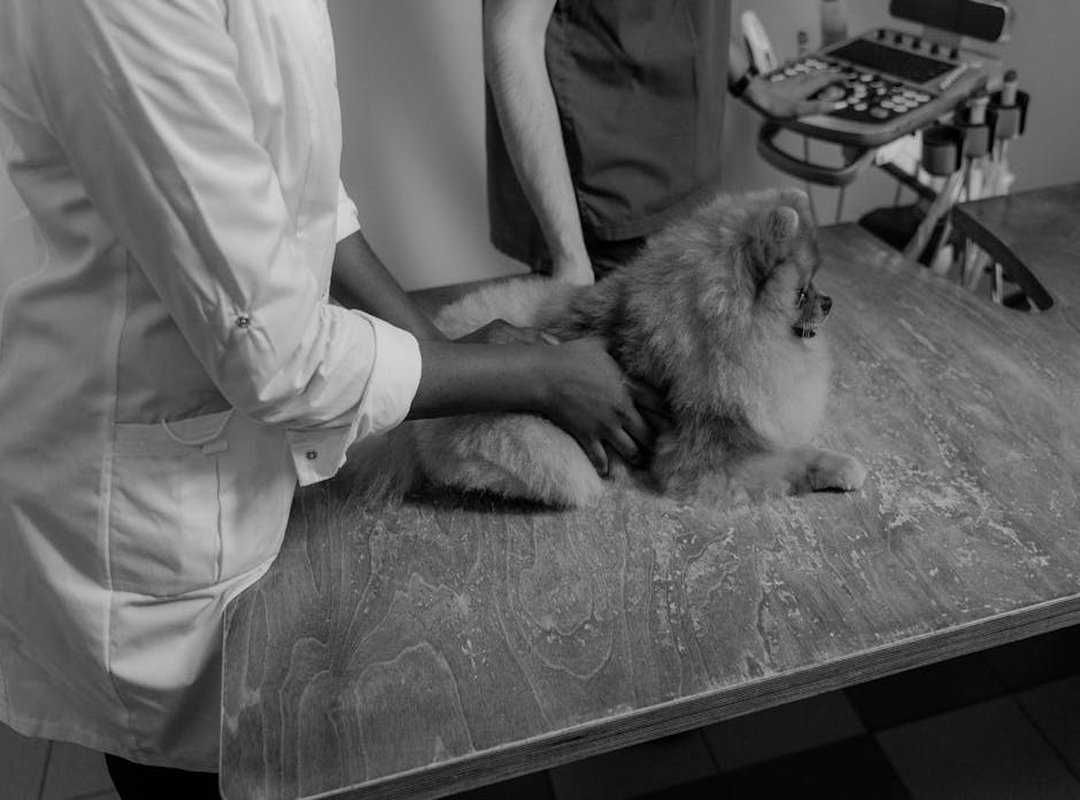
I took my first cat to the vet thinking it was just a formality.
Turns out, that first visit saved her life six months later.
You need that baseline exam. Not next week. Not when she sneezes once.
Now. It’s not about waiting for something to go wrong. It’s about knowing what normal looks like for your cat.
Core vaccines like FVRCP and Rabies aren’t paperwork (they’re) shields. Fleas, ticks, and worms don’t ask permission before they move in. Prevention isn’t fancy.
It’s monthly. It’s consistent. It’s non-negotiable.
Here’s what no one tells you: cats hide illness like it’s their job.
They’d rather die than admit they’re hurting.
So watch for the quiet stuff. Hiding more than usual? That’s not “just being a cat.”
Litter box changes.
Less frequent, more urgent, outside the box? That’s your alarm bell. Less grooming?
Dull coat? Sudden hissing at your hand? All red flags.
Unexplained aggression is rarely about attitude. It’s about pain. Or stress.
Or thyroid trouble. I missed it with my second cat. Took three visits to connect the dots.
Don’t be me.
The Infoguide for Cats Llblogpet lays this out plainly (no) jargon, no fluff. It names the signs most owners brush off. Then tells you what to do next.
Skip the guesswork. Book the visit. Run the tests.
Your cat won’t thank you.
But they’ll live longer because of it.
Cat Body Language: Read Them Like a Text Message
I watch cats all day. Not for fun. For survival.
(Mine, not theirs.)
Tail up? Happy. Twitching tip?
Stop touching. Flat ears? Back off.
Forward ears? They’re listening. Maybe even to you.
You think you’re petting them right. You’re probably wrong.
Cats don’t like belly rubs. That’s not affection (it’s) surrender. And if they roll over, they’re not asking for scratches.
They’re testing you. (Most humans fail.)
Pet under the chin. Stroke the cheeks. Those are safe zones.
Everything else is negotiable.
Let them come to you. Always. If you chase or corner, you’re not bonding (you’re) training them to hide.
Socialization starts early. Not at six months. At six weeks.
Miss that window? You’ll spend years earning trust they’d give freely at eight weeks.
And no (“Infoguide) for Cats Llblogpet” won’t fix bad habits. But if you’re raising a bird instead? The Infoguide for birds llblogpet 2 covers the same logic.
Just with feathers and way more noise.
You’re Ready to Be the Cat Parent Your Cat Needs
I’ve been there. Staring at a bag of kibble, wondering if it’s really okay. Feeling guilty every time your cat hides under the bed.
That overwhelm? It’s real. And it stops now.
This isn’t about perfection. It’s about knowing what matters: food, space, health, and behavior. You’ve got that foundation now.
Solid. Simple. Yours.
Infoguide for Cats Llblogpet gave you what you actually needed. Not fluff, not fear, just clear next steps.
So pick one thing. Buy the scratching post. Call the vet.
Do it today.
Because your cat doesn’t need a perfect parent.
They need you. Showing up, starting small, getting it done.
Go.