
Why Toy Safety and Durability Matter
Toys aren’t just fun extras for pets they play a big role in their daily health and safety. Since pets explore the world primarily through their mouths, what they chew on matters.
Safety First: Why Quality Counts
Poorly made or cheaply produced toys can do more harm than good. From minor injuries to life threatening hazards, the wrong toy can put your pet at risk.
Choking hazards: Small parts or pieces that can break off pose a risk, especially for vigorous chewers
Dental damage: Hard plastics or brittle materials can chip teeth
Digestive issues: Toys made with toxic materials or dyes may cause illness if ingested
Durability Makes a Difference
Investing in tough, well made toys isn’t just safer it’s also smarter in the long run.
Long lifespan: Quality toys are less likely to fall apart after a few uses
Lower replacement cost: Fewer trips to the store (and fewer emergency vet visits)
Reduced waste: Less toy turnover means less plastic and fabric in landfills
When pet toys last longer and perform better, both you and your pet benefit from greater peace of mind and more consistent fun.
What to Look for in Tough, Long Lasting Toys
Not all toys are built to last, and when your pet chews like it’s an Olympic sport, flimsy options don’t cut it. Stick to materials that can take a beating natural rubber, ballistic nylon, or rope. These hold up under serious gnawing and rough tug sessions. Natural rubber has just the right amount of give, nylon weaves don’t shred as easily, and rope offers texture dogs love to sink their teeth into.
Construction matters just as much. Go for toys with reinforced seams and crafted using non toxic dyes. If it’s going in your pet’s mouth (and it will), it better be safe. Hand me down plush toys from the kids’ room? Not a great idea.
Size also matters more than most people think. A toy that’s too small can turn into a choking risk, especially for larger breeds. Your Saint Bernard shouldn’t be playing with something designed for a Chihuahua it’s not just about fun, it’s about preventing emergencies.
And don’t forget cleanability. Toys live on the floor, in your pet’s mouth, and sometimes in unspeakable places. Choose options that are easy to wash, because bacteria build up whether you notice or not. Weekly cleans should be part of your toy routine.
Matching the Toy to the Pet
Every pet has their own personality and that shows up during playtime. From jaw strength to attention span, selecting the right toy starts with understanding your pet’s individual needs.
Consider These Key Factors:
Breed & Size: Larger breeds may require tougher, oversized toys to avoid choking risks, while smaller dogs are better suited to lightweight, flexible options.
Age: Puppies often need gentle chew toys for teething, while adult dogs may thrive on more durable, interactive options.
Play Style: Is your pet an aggressive chewer, a tug of war lover, or a problem solving mastermind? Matching the toy to how they play keeps them engaged and safe.
Teething Puppies vs. Heavy Chewers
Teething Puppies
Soft rubber or plush toys with textures that soothe gums
Toys that can be chilled or frozen for extra relief
Avoid hard toys that could damage developing teeth
Heavy Chewers
Look for ultra durable materials like solid rubber or reinforced nylon
Avoid toys that have small parts, bells, or stitching that can be ripped apart
Supervision is key during early use to ensure it holds up to their power
Mental Stimulation for High Energy Pets
Energetic pets often need more than physical exercise they crave mental workouts too. The right toy doesn’t just tire them out; it satisfies their natural instincts.
Puzzle Toys: Hide treats to encourage problem solving and persistence
Interactive Toys: Automatic ball launchers or motion triggered toys keep them engaged
Snuffle Mats or Foraging Toys: Tap into their sniffing instincts in a constructive way
Choosing the right toy isn’t just about fun it’s about supporting your pet’s development, reducing stress, and preventing destructive behavior.
Types of Toys Your Pet Might Love
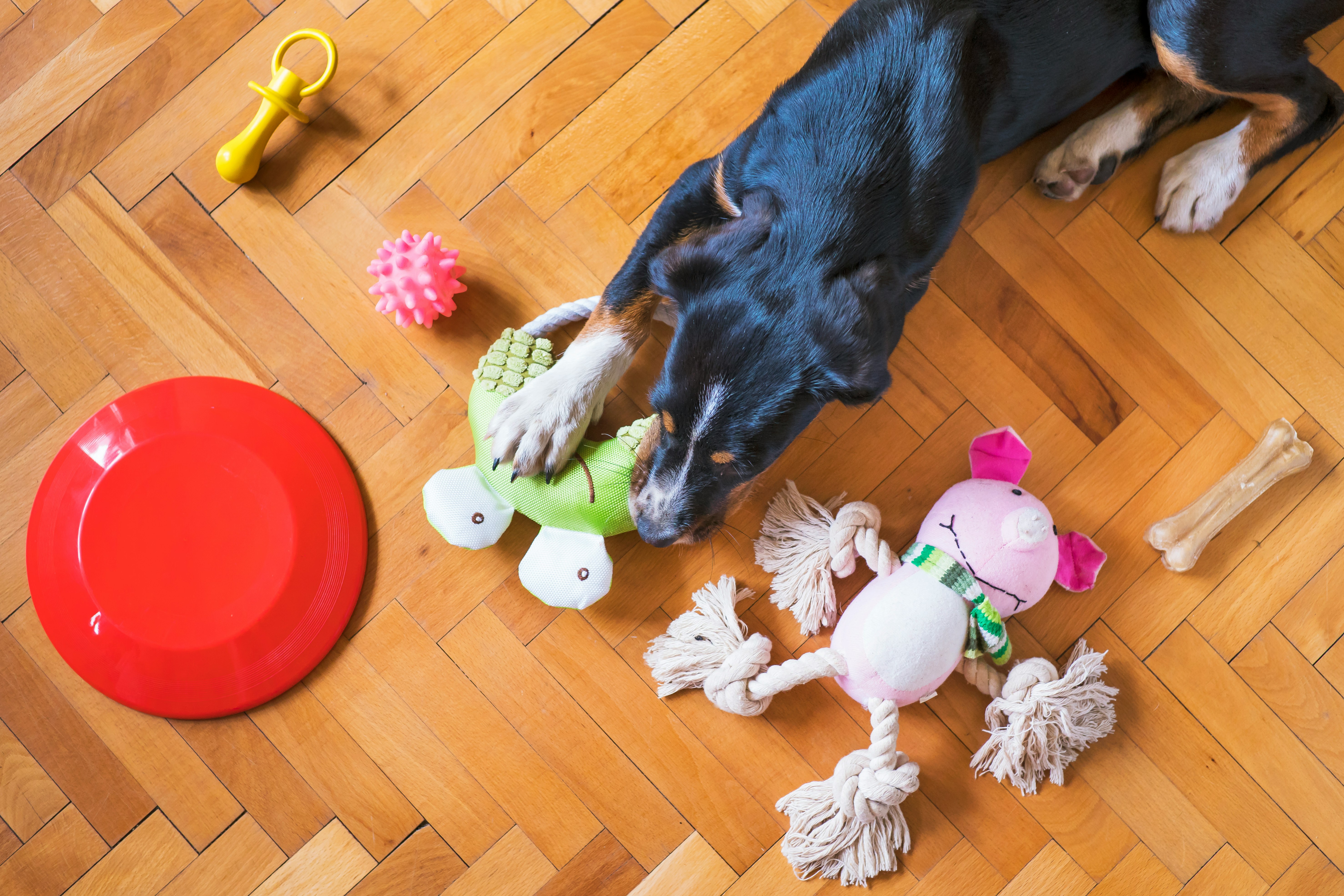
Chew toys are the workhorses of the pet toy world. They come in every shape and material imaginable rubber bones, flavored rings, tough fabric animals and play a critical role in keeping jaws strong and teeth clean. Plus, for teething pups or bored chewers, they’re a safer option than your furniture.
Then there are tug toys. These are simple, often a thick rope or rugged handle, but they bring huge returns: stronger muscles, better obedience focus, and a solid bond between you and your pet. Just make sure it’s sturdy you don’t want mid game tears turning into a mess.
Puzzle toys add a mental workout. From treat dispensing balls to shape matching boards, these toys challenge problem solving skills and reduce boredom based destruction. Ideal for smart breeds or any pet that needs a bit more action upstairs.
Last, fetch and chase toys. Think tennis balls, flying discs, or soft launchers. These toys tap into your pet’s natural hunting and herding instincts, turning everyday play into something way more primal and a whole lot of fun.
Recommended Picks for Heavy Chewers
Some dogs chew like it’s their life’s work. If you’ve got one of those, you know that flimsy toys don’t stand a chance. Rubber bones shredded in hours, rope toys unraveling overnight it’s frustrating, not to mention a safety risk.
For serious chewers, only the strongest toys make the cut. Think ultra dense natural rubber, reinforced stitching, and designs that challenge without breaking down. Your goal isn’t just to distract it’s to give them a real outlet for that bite drive, without turning to your furniture as a backup.
We’ve done the legwork to find toys that actually last, from vet approved brands to tested picks by dog trainers and owners of notorious chewers.
Check out our shortlist here: Chew toys for tough pets. Save your wallet, and keep your dog safe and satisfied.
Tips for Safe Toy Use
Keeping playtime safe is just as important as making it fun. Even the most durable toy can pose a risk if not monitored properly. Use these tips to ensure your pet’s safety while maximizing the life of their favorite items.
Supervise New Play Sessions
Always supervise your pet during their first few interactions with any new toy.
This helps you observe how they use the toy and spot any early signs of damage or unsafe behavior (like trying to swallow pieces).
Adjust toy selection based on how aggressive or gentle your pet is with their new toy.
Perform Regular Toy Inspections
Make it a habit to check toys weekly or after vigorous play sessions.
Look for:
Fraying edges on rope toys
Cracks or splits in rubber toys
Loose components or squeakers becoming exposed
If a toy shows wear and tear, it’s safer to replace it immediately.
Rotate Toys to Keep Things Fresh
Rotate your pet’s toys weekly to maintain interest and excitement.
Benefits of rotation:
Reduces boredom and destructive behavior
Gives time for cleanup and drying (especially soft toys)
Prevents excessive wear on a single toy
Making safety a routine part of playtime means better peace of mind for you and a longer, happier life for the toys your pet loves.
Go Beyond Just Toys
If your dog is a power chewer, chances are it’s not just the toys taking a beating. Beds, collars, leashes they’re all fair game. That’s why going durable extends beyond the toy box. Look for chew resistant beds made with heavy duty fabric, double stitching, and hidden zippers to prevent easy destruction. Collars and leashes? Opt for those made with reinforced materials like Kevlar or climbing rope grade nylon.
Investing in tough gear might feel like overkill at first, but it pays off. Fewer replacements, less mess, and most importantly, less risk of your pet gnawing through something dangerous. Peace of mind is worth a few extra bucks upfront.
Need gear as tough as your pet? Explore our favorite chew toys for tough pets for reliable, pet approved picks.